Why Agriculture is a Great Career Choice for 2026

WHY-AGRICULTURE-IS-A-GREAT-CAREER-CHOICE

Why Agriculture is a Great Career Choice for 2026

As the global population moves past 8 billion, the pressure to feed and sustain the world in a responsible, sustainable way is more urgent than ever. In this context, agriculture has become one of the most future-focused and impactful career paths available today. Far beyond traditional perceptions of farming, agriculture in 2026 is going to be a high-tech, innovation-driven industry that combines environmental stewardship, food security, and economic opportunity.

In South Africa, agriculture is a cornerstone of the economy—contributing over R130 billion annually and employing thousands across the value chain. The sector is key to rural development, job creation, and poverty alleviation. As climate change, urbanisation, and global food demand reshape how we produce food, agriculture offers a dynamic space for problem-solvers, entrepreneurs, and innovators.

Why Choose a Career in Agriculture?

Agriculture is no longer limited to planting crops and raising animals. It encompasses a wide range of disciplines—from biotechnology, precision farming, and data analytics to agribusiness, food processing, and environmental management. This evolving landscape creates countless opportunities for individuals passionate about making a real-world difference.

Whether you are interested in:

  • Sustainable farming practices
  • Livestock and crop management
  • Agri-entrepreneurship
  • Technology and innovation in food production
  • Agri-environmental consulting

—you will find a meaningful, purpose-driven career in agriculture. With climate challenges and food security high on the global agenda, agriculture is one of the most relevant, future-proof sectors to enter in 2026 and beyond.

What Jobs Can You Get with a Qualification in Plant or Animal Production?

A formal qualification in Plant or Animal Production equips you with both theoretical knowledge and hands-on experience, opening doors to a variety of career paths in both commercial and emerging farming sectors.

With a Plant Production qualification, you can pursue roles such as:

  • Crop Technician or Agronomy Assistant
  • Irrigation or Fertilisation Specialist
  • Farm or Estate Manager
  • Pest and Disease Control Advisor
  • Greenhouse or Nursery Supervisor

With an Animal Production qualification, career options include:

  • Livestock or Dairy Farm Manager
  • Animal Health Technician
  • Breeding Supervisor
  • Feedlot Manager or Assistant
  • Extension Officer in Livestock Development

In addition to on-farm roles, graduates can find employment in:

  • Agri-processing companies
  • Input supply industries (seeds, fertilisers, animal feed, equipment)
  • Government and NGO-led extension services
  • Agricultural research and development
  • Entrepreneurship, starting their own farming or agribusiness ventures

With sustainability and food resilience at the core of global priorities, skilled professionals in agriculture are in high demand—making this a secure and fulfilling career option.

Why Agri Skills Transfer is Your Gateway to Agricultural Success

At Agri Skills Transfer, we are passionate about training the next generation of agricultural leaders. With over 21 years of experience, we specialise in delivering accredited
qualifications that blend academic rigour with intensive practical experience.

1. Nationally Accredited Qualifications

We offer AgriSETA-accredited National Diplomas in Animal and Plant Production (NQF Level 5). These qualifications are recognised across the industry and equip students with the skills and knowledge to excel in various roles.

2. Practical Training That Sets You Apart

Our programmes include over 1,800 hours of practical learning, with placements at operational farms and agribusinesses. This ensures students graduate with real-world
experience, ready to contribute immediately in the workplace.

3. Study Your Way

We provide flexible study options, including:

  • Full-time or part-time face-to-face learning at our Groenkloof City Campus (Pretoria) and Cullinan Farm Campus
  • Distance Learning, ideal for working farmers and rural students who want to formalise their knowledge while continuing to work

4. Strong Industry Partnerships

Agri Skills Transfer works closely with top industry stakeholders, providing students with unmatched exposure and employment opportunities. Our partners include:

Laeveld Agrochem, Absa, AGDA, Agri SA, ALZU, PICRSA, Food for Mzansi, Agri ENT, APAC, CASE, TLUSA, Grain SA, Rovic Leers, Karsten Boerdery and many more.

These partnerships give our students direct access to the latest industry developments, mentorship, internships, and job placements, ensuring a seamless transition from classroom to career.

Make an Impact with Your Career

Choosing a career in agriculture means choosing to make a difference. Whether you’re innovating climate-smart farming techniques, supporting rural livelihoods, or helping to secure global food systems, your work will matter.

Agriculture offers more than job security—it offers purpose, growth, and the chance to contribute to a better future for all.

Take the First Step Toward Your Future in Agriculture

  • Call us: 012 002 3723
  • Email: admin@agriskills.net
  • Visit: www.agriskills.net

Let Agri Skills Transfer help you grow your future—starting today.

Why Agriculture is the Career of the Future in South Africa

agri0future

Why Agriculture is the Career of the Future in South Africa: A Fresh Look for 2026

As we look ahead to the opportunities of 2026, one industry stands out as a shining beacon for South Africa’s economic growth, environmental sustainability, and job creation: agriculture. Far beyond the traditional image of farm work, modern agriculture offers dynamic, innovative career paths for young South Africans looking to shape the future of the nation. And in a world that is rapidly changing, agriculture is evolving too — becoming more technologically advanced, environmentally conscious, and globally interconnected than ever before.

But what makes agriculture such an exciting career choice for 2026? And why should young people consider it as a serious path in a world filled with so many other options?

The Growing Demand for Skilled Agricultural Workers

In South Africa, agriculture is one of the most important sectors of the economy, contributing significantly to GDP, employment, and food security. Yet, despite its importance, there is a growing need for skilled workers who can navigate the complex challenges of modern farming. From climate change to global food security, the agricultural sector is more than just about planting crops or raising animals; it’s about developing solutions to some of the world’s biggest problems. This is where education and training come into play.

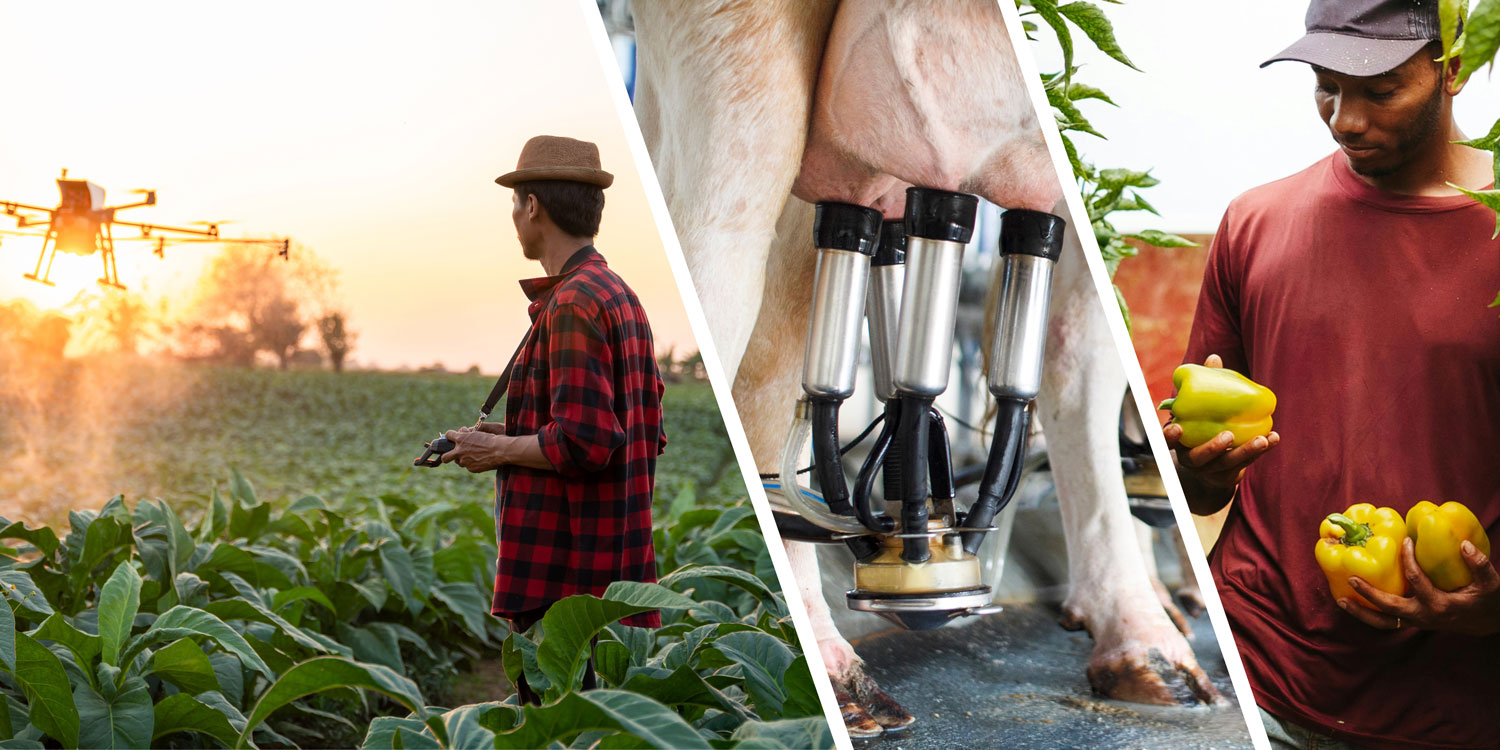
For young people with an interest in technology, sustainability, and innovation, agriculture presents a future-proof career that can offer both personal fulfilment and financial stability. South Africa’s agricultural industry is calling for individuals who can integrate the latest technology with traditional farming practices — from precision farming and drone technology to the development of sustainable agricultural practices and global food systems.

Bridging the Skills Gap with Education and Training

The good news is that South African institutions are responding to this demand with cutting-edge education and training programs tailored to the needs of the modern agricultural landscape. Agri Skills Transfer https://agriskills.net/full-time/ or example, is helping to bridge the skills gap by offering practical training alongside theoretical education. Through hands-on experience, students gain a deeper understanding of the daily realities of farming and the role that technology plays in driving efficiency and sustainability.

The importance of practical experience in agriculture cannot be overstated. When students immerse themselves in real-world farm environments — working directly with crops, livestock, and farming equipment — they acquire a nuanced understanding of the agricultural processes that textbooks alone can’t provide. This blend of theory and practice prepares graduates to hit the ground running in their careers, whether they want to start their own farming operation, manage large agribusinesses, or become specialists in agricultural technology, policy, or sustainability.

Agricultural Careers are More Diverse Than Ever

In 2026, the landscape of agricultural careers is expanding rapidly. The industry has evolved beyond the conventional idea of farming to include exciting new fields such as:

  • Agricultural Technology (AgTech): This includes innovation in drones, AI-powered analytics, machine learning, and robotics that help farmers improve crop yields, optimize resource use, and reduce environmental impact.
  • Sustainable Agriculture and Environmental Management: As concerns about climate change grow, there is an increasing demand for experts in sustainable farming practices, water management, and carbon footprint reduction.
  • Food Security and Agribusiness: From farm-to-fork supply chains to creating efficient, sustainable food systems, agribusiness professionals are essential to ensuring food security both locally and globally.
  • Agricultural Finance and Policy: A career in agricultural economics, finance, or policy-making offers young professionals the chance to shape the future of the agricultural sector, ensuring it remains resilient, equitable, and globally competitive.

Why Agriculture is More Than Just a Job — It’s a Legacy

Beyond the practical benefits, a career in agriculture allows you to become part of a legacy — one that has shaped South Africa’s history and culture. Agriculture is not just an industry; it’s an essential part of our national identity; from the food we eat to the land we cherish. By choosing agriculture, you’re not just starting a career; you’re contributing to something greater — the continued growth and prosperity of the nation.

With agriculture providing a backbone for rural communities, working in the industry often means helping to uplift and sustain those communities, ensuring food security for families and creating opportunities for employment. For those passionate about making a difference, agriculture is one of the few sectors where you can have a direct and lasting impact on people’s lives.

The Future of Agriculture in South Africa: Bright and Full of Potential

The opportunities in agriculture in 2026 are immense. Whether you’re interested in cutting-edge technology, sustainable practices, or the business side of farming, agriculture is a career field that offers something for everyone. But for South Africa to truly realize its potential, we need the next generation of passionate, skilled young people to take the lead.

By investing in the right education and training now, we can ensure that the agricultural sector will continue to thrive in the future. With the right skills, knowledge, and mindset, today’s youth can become the agricultural leaders, innovators, and changemakers of tomorrow.

If you’re looking for a career that combines tradition with innovation, sustainability with technology, and opportunity with impact, agriculture might just be the perfect path for you in 2026. After all, there’s no better time to get involved in shaping the future of South Africa’s agricultural industry — and no better place to start than right here, in the heart of the farm.

Visit: www.agriskills.net or call us today to discuss your future 012 002 3723

Empowering Farmers Through Distance Learning

Empowering Farmers Through Distance Learning

Empowering Farmers Through Distance Learning: Study with Agri Skills Transfer in 2026

For over 21 years, Agri Skills Transfer has been a trusted leader in agricultural training across Southern Africa. With a proud reputation for quality, practical education, we continue to empower farmers, agri-workers, and future agricultural leaders through accessible, flexible learning options.

If you’re already working on a farm or involved in the agricultural sector, then distance learning could be the key to unlocking your future in farming.

Study Nationally Recognised Qualifications

Agri Skills Transfer offers fully accredited qualifications designed for people working in the field:

  • National Certificate: Animal Production or Plant Production (NQF Level 4)
  • National Diploma: Animal and Plant Production (NQF Level 5)

These programmes are not just about theory. They’re practical, relevant, and tailored to your work environment – helping you apply what you learn immediately to your job or farm.

Why Distance Learning Works for Farmers

Agriculture doesn’t stop. Whether you’re managing a herd in Botswana or selling inputs across Mpumalanga and Limpopo, taking time off for full-time study can be nearly impossible. That’s where distance learning makes a real difference.

✅ Study while you work – no need to leave your job or relocate

✅ Learn at your own pace – balance your studies with your farming schedule

✅ Apply your knowledge immediately – practical learning that fits your daily work

✅ Nationally recognised qualifications – respected across South Africa and beyond

Hear from Our Learners

Here’s what a few of our successful distance learners had to say:

  • Lana Hattingh, working on a beef cattle farm in Botswana, shared: “Studying through Agri Skills Transfer gave me the flexibility I needed. The support was excellent, and I could directly apply everything I learned to our herd management.”
  • Danie “Patat” Naude, from Agri Sales and Services in Mpumalanga and Limpopo, said: “Even though I was constantly travelling for work, I could study at my own pace. The resources were clear, and the assignments pushed me to grow professionally.”
  • Thandi Maluleka, a female livestock handler from the Free State, wrote: “As a woman in farming, I found the support and content from Agri Skills Transfer empowering. I never felt alone during my studies.”
  • Sipho Maponya, a crop production supervisor in KZN, added: “Agri Skills gave me the chance to earn a qualification without giving up my job. The distance learning platform made it all possible.”

Ready for 2026? Enrol Now!

With the new year approaching fast, now is the perfect time to take your future seriously. Whether you’re managing livestock, growing crops, or working in agri-services – a qualification from Agri Skills Transfer can open new doors.

Enrol now for 2026 and join thousands of successful graduates who trusted us with their agricultural education.

Let’s grow your skills. Let’s grow agriculture.

Agri Skills Transfer – Over 21 Years of Agricultural Training Excellence.

📞 Contact Us

Visit our website: www.agriskills.net

Email us: admin@agriskills.net

Call: 012 0023723

WhatsApp: 076 203 3816

Beyond Farming – Exploring Career Opportunities in Agri Skills

Exploring Career Opportunities in Agri Skills

The Future of Agriculture in 2026: Beyond Farming – Exploring Career Opportunities in Agri Skills

Agriculture is evolving—and fast. Gone are the days when the sector was limited to traditional farming practices alone. Today, agriculture is a dynamic, high-tech industry offering a broad range of exciting career paths. As we look ahead to 2026, the demand for skilled professionals across the agricultural value chain is growing, and Agri Skills Transfer is proud to be at the forefront of this transformation.

If you’re considering a meaningful, future-ready career, now is the time to explore the world of agriculture—and it’s much more than just farming.

Why Choose a Career in Agriculture?

Agriculture is the backbone of South Africa’s economy and food security. But it’s not just about planting crops or raising livestock anymore. The industry has expanded into science, technology, business, and environmental management, offering diverse opportunities in:

  • Agricultural technology and innovation
  • Agribusiness and supply chain management
  • Sustainable farming and climate-smart practices
  • Animal health and production
  • Crop and soil science
  • Agricultural education and training
  • Agri-processing and food safety
  • Agri-tourism and entrepreneurship

The global population is expected to exceed 8.5 billion by 2030, which means the demand for food, innovation, and sustainability will only rise. Skilled agricultural professionals are not just needed—they are essential.

Study with Agri Skills Transfer – Agriculture Training That Makes a Difference

At Agri Skills Transfer, we believe in empowering the next generation of agricultural leaders. Our nationally accredited training programmes are designed to equip students with practical, hands-on skills that are aligned with the needs of the industry.

 What We Offer:

  • Accredited Qualifications: Including National Certificates in Animal Production, Plant Production, National Diploma Courses NQF level 5 in Animal and Plant Production, and a range of short courses.
  • Practical Training: Real-world experience through on-site learning at working farms and agricultural facilities.
  • Flexible Learning Options: Full-time, part-time, and distance learning options to suit your lifestyle.
  • Expert Facilitators: Learn from experienced professionals and agricultural specialists.
  • Career Readiness: Our training includes entrepreneurship, agribusiness, and life skills to prepare you for employment or starting your own venture.

Whether you’re a school leaver, aspiring agri-entrepreneur, or someone looking to switch careers, Agri Skills Transfer offers a pathway to a bright future in agriculture.

Careers in Agriculture: What’s Possible in 2026?

Here’s a glimpse of where an agricultural qualification can take you:

Career Path

What You’ll Do

Agricultural Technician

Support farms with technical knowledge and implementation of new technologies

Livestock Manager

Oversee animal production, breeding, and health

Crop Specialist

Advise on crop rotation, pest control, and sustainable practices

Agri-business Manager

Manage farming operations, finances, and staff

Farm Manager

Run day-to-day operations of a farm

Food Safety & Quality Officer

Ensure products meet regulatory and health standards

Environmental Officer

Implement sustainable and eco-friendly farming methods

Agri-Tourism Operator

Combine tourism and agriculture to create unique visitor experiences

Agricultural Educator/Trainer

Teach and train future agricultural professionals

Agri-Tech Specialist

Use technology such as drones, GPS, and AI to optimise production

These careers offer more than job security—they offer purpose, innovation, and the opportunity to shape the future of our planet.

Why Agri is More Than Farming

In 2026 and beyond, agriculture will be driven by:

  • Technology and Precision Farming: GPS, drones, IoT, and data analytics are transforming how we farm.
  • Climate-Smart Agriculture: Adapting to climate change through sustainable practices.
  • Agri-entrepreneurship: Young people are launching successful agri-startups in food processing, organic farming, and more.
  • Agri-exports and Trade: South Africa is increasing its footprint in global agricultural markets.

By studying agriculture, you’re not only building a career—you’re becoming part of a sector that feeds, sustains, and innovates for generations to come.

 Enrolments Now Open for 2026!

Ready to grow your future? Applications for our 2026 academic year are now open!

👉 Whether you’re looking to start fresh, upskill, or launch your own agri-business, Agri Skills Transfer can guide you every step of the way.

 Contact Us Today

📧 Email: admin@agriskills.net
📞 Call: 012 002 3721
🌐 Website: www.agriskills.net


Final Thoughts

The future of agriculture is bright, and it’s calling for bold, passionate individuals ready to lead, innovate, and grow. At Agri Skills Transfer, we’re not just teaching farming—we’re nurturing the next generation of agricultural game-changers.

Because Agri is more than farming—it’s the future.
Join us. Grow with us. Shape the world.

Agricultural Training and Skills Development

Agricultural Training and Skills Development

Agricultural Training and Skills Development: An Investment in the Future of Food Security and Youth Empowerment

In a world facing growing challenges such as climate change, rising food prices, and youth unemployment, agricultural training has never been more important. At Agri Skills Transfer, we recognise that empowering the youth with relevant agricultural knowledge and practical skills is key to ensuring both food security and economic development in South Africa.

Agriculture is more than just planting and harvesting. It is a science, a business, and a tool for transformation. Through our accredited training programmes, we offer learners the opportunity to gain hands-on experience in crop production, animal husbandry, agribusiness, and sustainable farming practices. These programmes are designed not only to equip students with technical expertise but also to develop critical thinking, problem-solving abilities, and entrepreneurial mindsets.

AGRI Skills Transfer contributes directly to the United Nations’ Sustainable Development Goal 2: Zero Hunger by equipping individuals—particularly in rural communities—with the practical agricultural skills needed to produce food sustainably, improve livelihoods, and build food security. Through targeted skills development and training programmes, we empower emerging farmers, women, and youth with the knowledge and tools to adopt climate-smart farming practices, increase crop yields, and manage natural resources responsibly. Our commitment to gender equality ensures inclusive participation, enabling women to play a central role in agricultural development. By fostering rural entrepreneurship, promoting sustainable land use, and encouraging agroecological resilience, AGRI Skills Transfer plays a vital role in transforming agriculture into a driver of economic opportunity, environmental stewardship, and lasting food security

Investing in the Youth

By investing in youth, we are building a new generation of farmers, agripreneurs, and agricultural leaders who are ready to drive change in their communities. Many of our graduates have gone on to start their own farming enterprises, contribute to food production, and even create jobs for others. This ripple effect demonstrates the power of skills development to transform lives and strengthen rural economies.

Importantly, agricultural training also contributes to national food security. As more skilled individuals enter the sector, we improve our ability to produce safe, nutritious food locally and reduce our reliance on imports. With the right training, today’s youth can become stewards of the land, using innovative and climate-smart techniques to grow more with less.

At Agri Skills Transfer, we are proud to play a part in this important mission. Our commitment is to make agricultural education accessible, practical, and impactful. Because when we invest in skills, we invest in a sustainable future — for our youth, our communities, and our country. Empower a future farmer. Secure our food future.

Kickstart Your Future in Agriculture!

Enrol now in our National Diploma in Animal Production or Plant Production –  2-year, NQF Level 5 qualifications, fully AgriSETA-accredited and designed to equip you with both the theory and hands-on skills needed to thrive in the agricultural industry. Whether you prefer full-time, practical learning on our working farm in Cullinan, a more urban setting at our Groenkloof City Campus, or the flexibility of online and distance learning while you farm or work in the industry — we’ve got an option that fits your lifestyle. This is more than a course — it’s your first step toward a successful, sustainable future in agriculture. Let’s walk this journey together.

Call us on 012 002 3723

www.agriskills.net Or email us at admin@agriskills.net

Your future in agriculture starts here — join us today!

From First AI Litter to Record Prices: Agri Skills Transfer’s Pig Farming Success Story

agri skills transfer AI piglets

From First Litter to Record Prices: Agri Skills Transfer’s Pig Farming Success Story

Every farmer remembers their first litter of piglets. For us at Agri Skills Transfer, it was more than just an exciting moment—it was proof that with the right partners, passion, and knowledge, you can achieve extraordinary results.

When our sows farrowed for the first time, using AI genetics, we were thrilled to welcome 16 piglets per sow—a number that’s well above average and a testament to the PIC genetics we use. PIC is a world leader in pig breeding, and their focus on stronger litters and faster growth is exactly what we saw on our farm.

Of course, genetics alone don’t tell the whole story. Nutrition is equally important, and that’s where our partnership with Alzu Feeds shines. Their scientifically balanced pig feed gave our herd the strength, resilience, and efficiency to thrive. The combination of superior genetics and quality feed created results we could see from day one.

And the proof was in the market. When we sent our pigs to the auction and abattoir, we received record grading and pricing—R36 per kg at the market and R38 per kg at the abattoir. These aren’t just numbers; they represent the demand for quality pork and the value of investing in the best tools for production.

We are proud to partner with PIC and Alzu Feeds, and proud to show farmers that South African piggery can stand at world-class levels. Beyond selling pork, we also give farmers the chance to buy weaner or grower pigs directly from us, so they too can benefit from genetics with high production ability that delivers world-class grower results.

But our vision doesn’t stop with pigs—it extends to people.

Training the Next Generation of Pig Farmers

At Agri Skills Transfer, we believe success grows when knowledge is shared. That’s why we offer a comprehensive Pig Production course and an Animal Production Diploma.

These hands-on programmes give farmers and students the chance to learn the essentials of pig farming—from breeding and feeding to caring for sows, piglets, and finishers – it’s a complete introduction designed to make you confident, skilled, and ready to succeed.

If you’ve ever dreamed of starting in pig farming—or if you want to sharpen your existing skills—now is the time to enrol and learn from the best.

At Agri Skills Transfer, our story is just beginning. From record-breaking litters to top market prices, we’re proud to be building not only a herd but a future for farmers across South Africa.


Contact us for more info:

📧 admin@agriskills.net
📞 012 002 3721

Elevate Your Dairy Farming Skills

mpo-dairy-farming-agri skills transfer

Elevate Your Dairy Farming Skills: Enrol in the Dairy Production Course with Agri kills Transfer & Milk Producers Organisation (MPO)

Dairy farming is more than just milking cows—it’s a science, a business, and a vital part of South Africa’s agricultural landscape. That’s why Agri kills Transfer, in partnership with the Milk Producers Organisation (MPO), is proud to offer a comprehensive Dairy Production Course aimed at equipping dairy farmers with the skills and knowledge they need to thrive in today’s fast-changing agricultural sector.

Why Is This Course Essential for Dairy Farmers?

The agricultural industry is evolving rapidly, and dairy farming is no exception. From herd management to feeding systems, from milking technologies to health protocols, today’s dairy farmer needs to be informed, efficient, and adaptable. Here’s why this course is more important than ever:

✅ 1. Stay Ahead with Modern Dairy Practices

Traditional methods are no longer sufficient to meet the growing demands for quality, quantity, and sustainability in milk production. Modern dairy production requires:

  • Precision feeding and nutrition
  • Efficient milking systems
  • Genetic improvement strategies
  • Advanced record-keeping and herd management

Our course integrates up-to-date techniques with hands-on, practical learning, ensuring that farmers leave with actionable knowledge that can immediately improve productivity and profitability.

🛡️ 2. Biosecurity Is No Longer Optional

With the rise of zoonotic diseases, cross-contamination, and antibiotic resistance, biosecurity has become a critical pillar in dairy farming. Ignoring biosecurity risks doesn’t just threaten your herd—it puts your business, community, and national food security at risk.

This course provides dairy farmers with:

  • Comprehensive biosecurity protocols
  • Disease prevention and control strategies
  • Hygiene management in milking parlours
  • Best practices for animal movement and quarantine

Understanding and implementing strong biosecurity measures can save farms from devastating outbreaks, protect herd health, and maintain access to local and global markets.

💼 3. Professionalise Your Dairy Operation

Today’s dairy farms are run like businesses, not just family traditions. Whether you’re managing a smallholding or a commercial enterprise, you need:

  • Financial literacy
  • Labour management
  • Record keeping
  • Compliance with legal and quality standards

The Dairy Production Course includes business and operational training to help you professionalise your farm and prepare for expansion, partnerships, or succession planning.

🤝 Why Learn with Agri Skills Transfer & MPO?

Agri kills Transfer is committed to empowering agricultural professionals with relevant, accredited training. The Milk Producers Organisation brings deep industry knowledge, access to top-tier experts, and a commitment to sustainable dairy development.

Together, we offer a learning experience that is:

  • Accredited and industry-aligned
  • Accessible for all levels of farmers
  • Focused on both theory and practical implementation
  • Delivered by experienced facilitators with a passion for dairy

📚 Course Highlights:

  • Understanding the modern dairy cow
  • Nutrition and feed management
  • Milk hygiene and quality control
  • Calf rearing and herd reproduction
  • Record keeping and farm data analysis
  • Disease management and biosecurity protocols

 Invest in Your Future

Whether you’re new to dairy or an experienced producer looking to refresh your skills, this course is an investment in your farm’s future. In an era where efficiency, safety, and sustainability are non-negotiable, education is your most powerful tool.

Don’t let outdated practices hold you back. Join the growing community of South African dairy farmers who are embracing innovation, improving animal welfare, and producing milk responsibly.

Ready to Enrol?

Contact Agri Skills Transfer today to secure your place in the upcoming Dairy Production Course, in collaboration with the Milk Producers Organisation (MPO).

📧 Email: admin@agriskills.net

📞 Phone: 012 2003723

🌐 Website: www.agriksill.net

A South African First: Agri Skills Transfer Launches First-Ever Operational Feedlot on a Practical Training Farm

A South African First: Agri Skills Transfer Launches First-Ever Operational Feedlot on a Practical Training Farm

A South African First: Agri Skills Transfer Launches First-Ever Operational Feedlot on a Practical Training Farm

Cullinan, Pretoria – Agri Skills Transfer proudly announces a groundbreaking milestone in agricultural education with the official launch of South Africa’s first-ever operational feedlot on a practical training farm, opening Friday, 3 October 2025.

This state-of-the-art feedlot, with the capacity to house 300 sheep, stands as a testament to innovation, dedication, and skills development. Built entirely by our staff and students, the facility not only represents infrastructure excellence but also embodies the spirit of hands-on learning, commitment, and teamwork.

“We burned the midnight oil to get this done — and it shows,” said Shaun Welmans, COO and Director at Agri Skills Transfer. “This feedlot is more than just a facility; it’s a symbol of what can be achieved when education meets real-world application.”

In its initial phase, the feedlot is designed to house 300 sheep. We will begin with 100 sheep in a full production cycle to gain valuable experience and refine our processes. Once confident in our operation, we will expand to the full 300-head capacity, running continuous production cycles.

From there, the feedlot will grow to 600 sheep, and ultimately, once the system is perfected, we plan to establish a full-scale commercial unit capable of producing 300–600 sheep per week.

We are starting the first round of our feedlot operation by placing 100 commercial store lambs, including some of our own livestock that have been bred through Agri Skills Transfer. This includes both sheep and cattle. The purpose of this feedlot is to raise and finish the animals under controlled conditions to ensure optimal growth, health, and market readiness. By combining commercial animals with our own, we aim to compare performance, improve our breeding programs, and ensure consistent supply to the market.

Why It Matters: Training That Transforms

The sheep feedlot is designed to be a cornerstone of our agricultural training programmes, offering learners direct, practical exposure to:

  • Feedlot management practices
  • Animal nutrition and health
  • Record keeping and farm planning
  • Sustainable livestock production

With space for 300 sheep, the facility provides unmatched real-world experience for our students — a vital step in preparing South Africa’s future farmers, entrepreneurs, and agri-professionals.

Looking Ahead: Open Day – Saturday, 4 October 2025

The opening of the feedlot is perfectly timed for our MEGA Open Day on Saturday, 4 October 2025, where visitors, partners, and future learners can tour the facility and see agricultural training with a difference — training that delivers real, measurable outcomes.

“This is a first for the country, and it won’t be the last,” added Shaun. “It’s another proud highlight in Agri Skills Transfer’s 2025 journey of innovation and impact.”

About Agri Skills Transfer

Agri Skills Transfer is the leading provider of agricultural education in South Africa, offering accredited and practical training across various disciplines. We believe in training with a difference — where learners don’t just study agriculture, they live it.

For Media Enquiries & RSVP to the Open Day:

Shaun Welmans

📧 shaun@agriskills.net

🌐 www.agriksills.net

📍 Agri Skills Transfer practical farm, Cullinan, PRETORIA – K112 Farm Klipfontein View, Cullinan, 1000


Formal Agricultural Education women's ibizo

Aligning Formal Agricultural Education with South Africa’s Dynamic Agricultural Sector

Aligning Formal Agricultural Education with South Africa’s Dynamic Agricultural Sector

South Africa’s agricultural sector is diverse and evolving rapidly, driven by both the demand for increased food production and the pressures of climate change, technological advancements, and the shifting dynamics of the global economy. As the sector grows, there is a pressing need for agricultural education to keep pace, ensuring that students not only gain theoretical knowledge but also the practical skills necessary to navigate the complexities of modern farming.

One of the key challenges is aligning formal agricultural education with the real-world needs of the industry, which spans large commercial farms, smallholder and emerging farmers, and everything in between. In this blog, we’ll explore how South Africa’s agricultural education system can better equip its future workforce by incorporating sustainable farming practices, technological innovation, and practical experience into the curricula.

Relevance of the Curriculum: Integrating Emerging Trends

To truly meet the needs of a dynamic agricultural sector, formal agricultural education must evolve. Traditional farming methods, while still important, no longer encompass the full scope of skills required in modern farming practices. The curriculum needs to be updated regularly to include emerging trends such as precision farming, climate-smart agriculture, and sustainable farming practices. These topics should be explored in-depth, with an emphasis on how they can be practically applied in South Africa’s unique agricultural context.

The future of agriculture is closely tied to technology. Precision farming, drones, Internet of Things (IoT) systems, data analytics, and artificial intelligence (AI) are not just buzzwords—they’re integral tools that can transform agricultural practices. To ensure graduates are well-prepared, curricula should include these tools and teach students how to use them effectively. By integrating technology into the curriculum, South Africa can ensure that the next generation of agricultural professionals is equipped to tackle the challenges of food security, climate adaptation, and resource management.

Practical Training: Bridging the Gap Between Theory and Practice

A critical component of agricultural education is practical, hands-on training. Classroom learning is valuable, but it’s the real-world experience that makes the difference. In South Africa, where agriculture is deeply tied to the livelihoods of millions, students must be prepared to step onto a farm and contribute meaningfully from day one.

Work-Integrated Learning (WIL) programmes, internships, and field-based training must be embedded into agricultural education to ensure that students acquire practical skills. These programmes should be closely aligned with current industry standards and offer students the chance to work alongside experienced farmers and agribusiness professionals. Collaborations between academic institutions and industry players will allow students to experience the day-to-day challenges and opportunities in agriculture, from managing crops to understanding market dynamics.

Moreover, partnerships with farms and agribusinesses will give students access to cutting-edge technologies like autonomous vehicles, farm management software, and smart farming tools. This exposure helps students not only to learn the tools of the trade but also to develop a problem-solving mindset that’s critical for the future of agriculture.

Addressing the Needs of Smallholders and Emerging Farmers

South Africa’s agriculture isn’t just about large-scale commercial farming; it also includes millions of smallholders and emerging farmers who face unique challenges, such as limited access to resources, financing, and market opportunities. Agricultural education programmes must account for this diversity by providing training that is specifically tailored to the needs of these farmers.

This could mean offering entrepreneurship-focused courses, training on accessing finance, and lessons on how to scale small farming operations. Through specialised programmes, education can empower these farmers to build sustainable and profitable agribusinesses. Understanding local challenges, such as land access, market instability, and climate resilience, will also ensure that the training remains relevant to the on-the-ground realities these farmers face.

Additionally, smallholder farmers should have access to platforms that offer continued education and networking opportunities, such as community-based workshops and mobile learning solutions. In doing so, agricultural education can become a resource for rural communities, contributing to local economic development.

Incorporating Entrepreneurship and Business Management Skills

Farming isn’t just about growing crops or raising livestock—it’s also about managing a business. Unfortunately, agricultural education often overlooks the importance of entrepreneurship and business management skills. A strong understanding of financial management, marketing, and business planning is critical for anyone hoping to succeed in agriculture, whether on a small-scale farm or in a large agribusiness.

Introducing entrepreneurship-focused courses into the curriculum can address this gap, equipping students with the skills needed to develop viable business plans, manage risks, and navigate the complexities of agricultural markets. These skills are especially crucial for emerging farmers who may lack access to capital or market connections. An entrepreneurial mindset can help them overcome these challenges and find innovative solutions to improve productivity and profitability.

Gender and Youth Inclusion in Agricultural Education

One of the most significant barriers to South Africa’s agricultural development is the exclusion of certain demographics, particularly women and youth. Women often face barriers to accessing land, financing, and education, while young people are frequently disengaged from agriculture due to a perception that it is not a lucrative career path. It’s essential for agricultural education programmes to be more inclusive and actively encourage participation from these groups.

Policies that support gender and youth inclusion—such as scholarships, mentorship programs, and training tailored to their specific needs—are crucial for building a more diverse and innovative agricultural sector. By empowering women and youth with the necessary skills and resources, we can unlock untapped potential and drive greater innovation in South Africa’s agriculture.

Fostering Innovation and Collaboration with Industry

A strong partnership between educational institutions and the agricultural industry is essential for preparing students to be job-ready and innovative. Through collaboration, universities and vocational institutions can co-develop curricula with agribusinesses, commercial farms, and government entities, ensuring that what is taught in the classroom aligns with what is needed in the field.

Additionally, partnerships with agri-tech companies can expose students to the latest technological innovations and farming practices. This not only enhances students’ learning experiences but also gives them the tools they need to push the boundaries of what’s possible in agriculture. Exposure to the startup ecosystem in agri-tech and agricultural innovation hubs can encourage entrepreneurial thinking and the development of new solutions that meet the needs of the sector.

Government Support and Policy Incentives

Finally, government support is essential in driving the transformation of agricultural education in South Africa. This includes funding for educational institutions, policy incentives to promote agri-tech adoption, and initiatives aimed at supporting rural communities. Governments can play a pivotal role in facilitating access to education by improving infrastructure, expanding online learning opportunities, and offering subsidies to students from underserved regions.

Moreover, policymakers should work closely with industry stakeholders to identify skills gaps and emerging trends, ensuring that the curriculum remains forward-thinking and aligned with the needs of both the local and global agricultural market.

The role of formal and informal education

At Agri Skills Transfer, we understand the significant role both formal and informal education play in equipping South African farmers with the knowledge and practical skills needed for success. Formal education, through structured courses and certification programs, provides farmers with essential foundations in agricultural science, technology, and modern farming practices. This formal training ensures a consistent level of technical expertise, which is crucial for promoting sustainable farming, increasing productivity, and meeting industry regulations. In contrast, informal education—such as community workshops, peer-to-peer exchanges, and hands-on experience—delivers valuable insights tailored to local conditions and specific challenges, making it more relevant and accessible. By merging both educational models, farmers benefit from a well-rounded approach that combines theoretical knowledge with actionable skills. This integration also helps overcome barriers faced by rural farmers, such as limited literacy or access to formal institutions, as informal learning often takes place in local languages and within trusted community networks. The inclusion of storytelling, mentorship, and group discussions in formal training programs further enriches the learning experience, ensuring it resonates with diverse learners. At Agri Skills Transfer, we believe that this dual approach not only empowers farmers to thrive but also fosters continuous innovation, resilience, and sustainability in South Africa’s agricultural sector.

Conclusion

The future of South Africa’s agriculture depends on an educated, skilled workforce capable of tackling the sector’s challenges and driving innovation. By aligning agricultural education with the dynamic needs of the industry, we can ensure that graduates are equipped not only with the technical skills needed for modern farming but also the entrepreneurial mindset and leadership qualities required to succeed. Through partnerships with industry, a focus on practical experience, and an emphasis on emerging technologies, South Africa’s agricultural education system can prepare students to lead the way in building a more sustainable, productive, and innovative agricultural sector.

Attie-Artikel---Tech-in-Landbou

Training for the Future: Embracing Scientific and Technical Skills in Modern Agriculture

As agriculture evolves, so too must the skills required to drive it forward. Mechanisation has reached an advanced stage where traditional training methods are no longer sufficient. The future of farming depends on a workforce equipped not only with practical know-how, but also with strong scientific and technical expertise.

From precision farming and data analysis to advanced machinery and sustainable technologies, modern agriculture demands a new generation of skilled professionals. Scientific understanding and technical training are no longer optional—they are essential to ensure productivity, resilience, and innovation in the sector.

Empowering individuals

At AGRI Skills Transfer, we recognise that building this future starts with empowering individuals through specialised training that reflects the realities of today’s farming environment. Our focus is on equipping farmers, technicians, and agricultural professionals with the critical tools they need to thrive in a fast-changing industry.

Manual farm machinery is increasingly being replaced by automated systems integrated with satellite technology. This advancement allows tractors, harvesters, and sprayers to operate autonomously with minimal human intervention. As a result, precision farming becomes achievable, enabling farmers to apply inputs such as seed and fertiliser with exceptional accuracy. This not only reduces labour and input costs but also enhances overall crop yields.

agriculture technology

Data Management Tools

The use of data management tools has become a standard practice in modern agriculture. These tools serve as essential support systems for producers, enabling more informed and effective decision-making. Among these technologies are precision farming systems, which leverage data collected from sensors, GPS technology, and other digital resources to monitor inputs, assess crop health, and ultimately enhance yields.

Farm management software plays a crucial role in streamlining the organisation and analysis of key data related to finances, inventory, and operational activities aligned with the farm’s annual plan. By centralising and automating these processes, the software ensures that the administration of the farming enterprise is efficient, well-structured, and professionally managed.

The availability and effective utilisation of data on a farm significantly enhances decision-making, transforming agricultural operations into strategically managed, data-driven enterprises. As farmers collect and analyse information from various sources—such as weather patterns, soil conditions, crop performance, livestock health, equipment usage, and market trends—they gain a comprehensive understanding of both short-term variables and long-term patterns affecting productivity and profitability. This data enables more precise planning and resource allocation, from optimising irrigation and fertilisation schedules to improving herd management and anticipating market demands. Moreover, real-time data integration supports proactive problem-solving and risk mitigation, allowing for timely interventions that reduce losses and increase efficiency. In essence, the more robust and diverse the data ecosystem on a farm, the more empowered the farmer becomes to make informed, strategic decisions that drive sustainability, resilience, and economic success.

The cost of modern agricultural technologies

The high cost of modern agricultural technologies makes it nearly inaccessible for small-scale producers and emerging farmers to acquire the tools and techniques essential for enhancing their farming operations. There is an urgent need to reconsider how these innovations are made available—through more affordable and inclusive models such as equipment rental systems or cooperative-based access schemes.

The Field View application(app) is an advanced digital agriculture platform that provides producers with multi-seasonal analytical data to support informed decision-making. By aggregating and visualising data collected from machinery, satellite imagery, and on-field sensors, Field View enables farmers to monitor crop performance, assess variability, and implement site-specific management strategies. Training in the effective use of this technology is offered by agricultural service providers such as Pure Precision Farming, which helps users maximize the platform’s potential. While integrating new technologies into traditional farming practices presents certain challenges—including cost, data literacy, and infrastructure—data-driven platforms like Field View play a critical role in modern agriculture. They equip producers with actionable insights to enhance productivity, optimise input use, and support more sustainable land management practices by minimising environmental impact and improving long-term soil health.

field testing - technology

Soil testing and soil fertility

Soil fertility is a critical component of successful crop production, and accurate soil testing serves as the foundation for effective land management. Advancements in agricultural technology, such as the innovative device developed by PES Technologies, now allow farmers to assess soil health directly in the field—without the need for traditional laboratory testing. The PES device is a portable, battery-powered diagnostic tool operated via an iPhone, providing rapid and detailed analysis of soil conditions. This handheld instrument captures a comprehensive range of data, reporting on biological, chemical, and physical indicators of soil health. Key metrics include microbial biomass and soil organic matter content, enabling real-time, on-site assessment of soil fertility.

PES Technologies Unit-in-use

Image from https://www.epicentrehaverhill.co.uk/pes-technologies-secures-1-3m-pre-series-a-funding/

A Bio-Nutrient Spectrometer, designed as a portable handheld instrument, provides a breakthrough in agricultural and food system monitoring. This innovative technology enables farmers, researchers, and food producers to rapidly measure the nutritional density of crops and food products, offering valuable insights into their quality and market value. In addition, the device can assess the percentage of carbon present in soils—a critical indicator of soil health and fertility. High soil organic carbon levels are directly linked to improved water retention, nutrient availability, and microbial activity, all of which contribute to stronger, more resilient crops. Since healthy soils form the foundation of sustainable food production, this technology not only supports informed decision-making in farming practices but also promotes long-term food security, environmental stewardship, and consumer health.

Detailed visual and spectral data

Satellite imagery provides farmers with a powerful bird’s-eye view of their entire farming operation, allowing them to monitor multiple fields simultaneously with high levels of accuracy. By capturing detailed visual and spectral data, these images reveal variations in soil conditions, crop growth stages, plant health, and even the presence of pests or diseases. This technology enables farmers to analyse patterns and trends across large areas, identify potential problem zones early, and apply inputs such as water, fertiliser, or pesticides only where they are needed most. The result is a significant reduction in production costs, improved resource efficiency, and the ability to make reliable, data-driven decisions that enhance both short-term yields and long-term sustainability of the farm.

Satellite and drone imagery has become an indispensable tool in modern precision farming, providing farmers with accurate, real-time data that supports informed decision-making. Images from above can be analysed to identify critical aspects such as crop growth patterns, early signs of soil erosion, the presence of diseases or insect damage, nutrient deficiencies, and irrigation shortfalls. By applying zoning techniques, producers can compile detailed field maps that guide differentiated seed distribution and fertiliser application, reducing waste and increasing efficiency. Platforms such as NVIRO CROP offer structured information that enhances this process. Even greater levels of detail can be obtained with drones, which capture high-resolution images at field level. Drones are widely regarded as the preferred source of data collection for precision farming, as they allow for frequent monitoring and provide highly accurate spatial information. When combined with artificial intelligence (AI) analysis, drone imagery delivers near-instant insights into plant health, enabling producers to respond proactively to challenges before they escalate. These innovative technologies not only optimise crop management but also safeguard yields, empowering farmers to achieve healthier, more resilient, and record-breaking harvests.

Training and skills development

If we consider all the progress made in agriculture over the past decade—from precision farming and smart irrigation systems to the use of drones, sensors, artificial intelligence, and data-driven decision-making—it is clear that regular updates to training curricula and skills development are not just beneficial, but essential. Fortunately, technology has made this easier than ever: the internet and AI now provide instant access to the latest research, global best practices, and innovative farming solutions. With this wealth of real-time knowledge, there is no excuse not to embrace modern agricultural technologies that help us increase yields, reduce input costs, and feed a rapidly growing population despite the challenge of shrinking arable land. This is exactly where Agri Skills Transfer excels. As a leading agricultural training institution for more than 21 years, we combine hands-on, practical training with exposure to the latest technologies and farming practices. Our students don’t just learn theory—they live, work, and train on farms using the most up-to-date methods in crop production, livestock management, and agri-technology. This ensures that every graduate is job-ready, future-focused, and fully equipped to meet the evolving demands of the agricultural sector.

www.agriskills.net