A South African First: Agri Skills Transfer Launches First-Ever Operational Feedlot on a Practical Training Farm

A South African First: Agri Skills Transfer Launches First-Ever Operational Feedlot on a Practical Training Farm

A South African First: Agri Skills Transfer Launches First-Ever Operational Feedlot on a Practical Training Farm

Cullinan, Pretoria – Agri Skills Transfer proudly announces a groundbreaking milestone in agricultural education with the official launch of South Africa’s first-ever operational feedlot on a practical training farm, opening Friday, 3 October 2025.

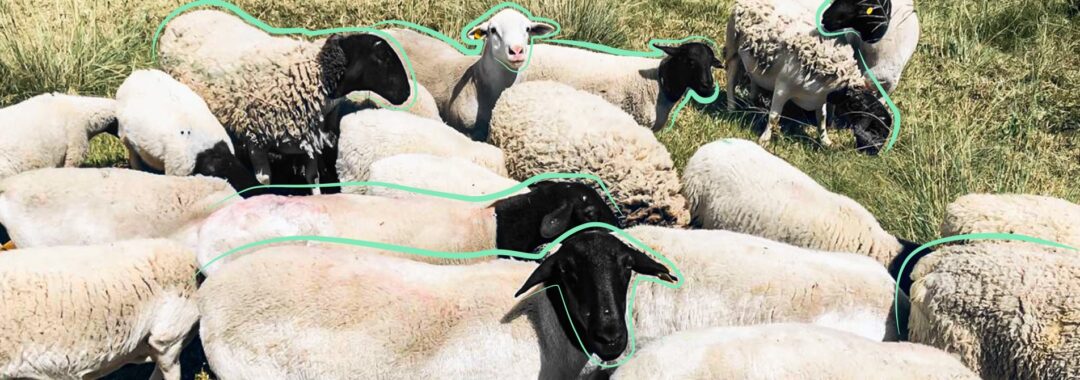
This state-of-the-art feedlot, with the capacity to house 300 sheep, stands as a testament to innovation, dedication, and skills development. Built entirely by our staff and students, the facility not only represents infrastructure excellence but also embodies the spirit of hands-on learning, commitment, and teamwork.

“We burned the midnight oil to get this done — and it shows,” said Shaun Welmans, COO and Director at Agri Skills Transfer. “This feedlot is more than just a facility; it’s a symbol of what can be achieved when education meets real-world application.”

In its initial phase, the feedlot is designed to house 300 sheep. We will begin with 100 sheep in a full production cycle to gain valuable experience and refine our processes. Once confident in our operation, we will expand to the full 300-head capacity, running continuous production cycles.

From there, the feedlot will grow to 600 sheep, and ultimately, once the system is perfected, we plan to establish a full-scale commercial unit capable of producing 300–600 sheep per week.

We are starting the first round of our feedlot operation by placing 100 commercial store lambs, including some of our own livestock that have been bred through Agri Skills Transfer. This includes both sheep and cattle. The purpose of this feedlot is to raise and finish the animals under controlled conditions to ensure optimal growth, health, and market readiness. By combining commercial animals with our own, we aim to compare performance, improve our breeding programs, and ensure consistent supply to the market.

Why It Matters: Training That Transforms

The sheep feedlot is designed to be a cornerstone of our agricultural training programmes, offering learners direct, practical exposure to:

  • Feedlot management practices
  • Animal nutrition and health
  • Record keeping and farm planning
  • Sustainable livestock production

With space for 300 sheep, the facility provides unmatched real-world experience for our students — a vital step in preparing South Africa’s future farmers, entrepreneurs, and agri-professionals.

Looking Ahead: Open Day – Saturday, 4 October 2025

The opening of the feedlot is perfectly timed for our MEGA Open Day on Saturday, 4 October 2025, where visitors, partners, and future learners can tour the facility and see agricultural training with a difference — training that delivers real, measurable outcomes.

“This is a first for the country, and it won’t be the last,” added Shaun. “It’s another proud highlight in Agri Skills Transfer’s 2025 journey of innovation and impact.”

About Agri Skills Transfer

Agri Skills Transfer is the leading provider of agricultural education in South Africa, offering accredited and practical training across various disciplines. We believe in training with a difference — where learners don’t just study agriculture, they live it.

For Media Enquiries & RSVP to the Open Day:

Shaun Welmans

📧 shaun@agriskills.net

🌐 www.agriksills.net

📍 Agri Skills Transfer practical farm, Cullinan, PRETORIA – K112 Farm Klipfontein View, Cullinan, 1000


Formal Agricultural Education women's ibizo

Aligning Formal Agricultural Education with South Africa’s Dynamic Agricultural Sector

Aligning Formal Agricultural Education with South Africa’s Dynamic Agricultural Sector

South Africa’s agricultural sector is diverse and evolving rapidly, driven by both the demand for increased food production and the pressures of climate change, technological advancements, and the shifting dynamics of the global economy. As the sector grows, there is a pressing need for agricultural education to keep pace, ensuring that students not only gain theoretical knowledge but also the practical skills necessary to navigate the complexities of modern farming.

One of the key challenges is aligning formal agricultural education with the real-world needs of the industry, which spans large commercial farms, smallholder and emerging farmers, and everything in between. In this blog, we’ll explore how South Africa’s agricultural education system can better equip its future workforce by incorporating sustainable farming practices, technological innovation, and practical experience into the curricula.

Relevance of the Curriculum: Integrating Emerging Trends

To truly meet the needs of a dynamic agricultural sector, formal agricultural education must evolve. Traditional farming methods, while still important, no longer encompass the full scope of skills required in modern farming practices. The curriculum needs to be updated regularly to include emerging trends such as precision farming, climate-smart agriculture, and sustainable farming practices. These topics should be explored in-depth, with an emphasis on how they can be practically applied in South Africa’s unique agricultural context.

The future of agriculture is closely tied to technology. Precision farming, drones, Internet of Things (IoT) systems, data analytics, and artificial intelligence (AI) are not just buzzwords—they’re integral tools that can transform agricultural practices. To ensure graduates are well-prepared, curricula should include these tools and teach students how to use them effectively. By integrating technology into the curriculum, South Africa can ensure that the next generation of agricultural professionals is equipped to tackle the challenges of food security, climate adaptation, and resource management.

Practical Training: Bridging the Gap Between Theory and Practice

A critical component of agricultural education is practical, hands-on training. Classroom learning is valuable, but it’s the real-world experience that makes the difference. In South Africa, where agriculture is deeply tied to the livelihoods of millions, students must be prepared to step onto a farm and contribute meaningfully from day one.

Work-Integrated Learning (WIL) programmes, internships, and field-based training must be embedded into agricultural education to ensure that students acquire practical skills. These programmes should be closely aligned with current industry standards and offer students the chance to work alongside experienced farmers and agribusiness professionals. Collaborations between academic institutions and industry players will allow students to experience the day-to-day challenges and opportunities in agriculture, from managing crops to understanding market dynamics.

Moreover, partnerships with farms and agribusinesses will give students access to cutting-edge technologies like autonomous vehicles, farm management software, and smart farming tools. This exposure helps students not only to learn the tools of the trade but also to develop a problem-solving mindset that’s critical for the future of agriculture.

Addressing the Needs of Smallholders and Emerging Farmers

South Africa’s agriculture isn’t just about large-scale commercial farming; it also includes millions of smallholders and emerging farmers who face unique challenges, such as limited access to resources, financing, and market opportunities. Agricultural education programmes must account for this diversity by providing training that is specifically tailored to the needs of these farmers.

This could mean offering entrepreneurship-focused courses, training on accessing finance, and lessons on how to scale small farming operations. Through specialised programmes, education can empower these farmers to build sustainable and profitable agribusinesses. Understanding local challenges, such as land access, market instability, and climate resilience, will also ensure that the training remains relevant to the on-the-ground realities these farmers face.

Additionally, smallholder farmers should have access to platforms that offer continued education and networking opportunities, such as community-based workshops and mobile learning solutions. In doing so, agricultural education can become a resource for rural communities, contributing to local economic development.

Incorporating Entrepreneurship and Business Management Skills

Farming isn’t just about growing crops or raising livestock—it’s also about managing a business. Unfortunately, agricultural education often overlooks the importance of entrepreneurship and business management skills. A strong understanding of financial management, marketing, and business planning is critical for anyone hoping to succeed in agriculture, whether on a small-scale farm or in a large agribusiness.

Introducing entrepreneurship-focused courses into the curriculum can address this gap, equipping students with the skills needed to develop viable business plans, manage risks, and navigate the complexities of agricultural markets. These skills are especially crucial for emerging farmers who may lack access to capital or market connections. An entrepreneurial mindset can help them overcome these challenges and find innovative solutions to improve productivity and profitability.

Gender and Youth Inclusion in Agricultural Education

One of the most significant barriers to South Africa’s agricultural development is the exclusion of certain demographics, particularly women and youth. Women often face barriers to accessing land, financing, and education, while young people are frequently disengaged from agriculture due to a perception that it is not a lucrative career path. It’s essential for agricultural education programmes to be more inclusive and actively encourage participation from these groups.

Policies that support gender and youth inclusion—such as scholarships, mentorship programs, and training tailored to their specific needs—are crucial for building a more diverse and innovative agricultural sector. By empowering women and youth with the necessary skills and resources, we can unlock untapped potential and drive greater innovation in South Africa’s agriculture.

Fostering Innovation and Collaboration with Industry

A strong partnership between educational institutions and the agricultural industry is essential for preparing students to be job-ready and innovative. Through collaboration, universities and vocational institutions can co-develop curricula with agribusinesses, commercial farms, and government entities, ensuring that what is taught in the classroom aligns with what is needed in the field.

Additionally, partnerships with agri-tech companies can expose students to the latest technological innovations and farming practices. This not only enhances students’ learning experiences but also gives them the tools they need to push the boundaries of what’s possible in agriculture. Exposure to the startup ecosystem in agri-tech and agricultural innovation hubs can encourage entrepreneurial thinking and the development of new solutions that meet the needs of the sector.

Government Support and Policy Incentives

Finally, government support is essential in driving the transformation of agricultural education in South Africa. This includes funding for educational institutions, policy incentives to promote agri-tech adoption, and initiatives aimed at supporting rural communities. Governments can play a pivotal role in facilitating access to education by improving infrastructure, expanding online learning opportunities, and offering subsidies to students from underserved regions.

Moreover, policymakers should work closely with industry stakeholders to identify skills gaps and emerging trends, ensuring that the curriculum remains forward-thinking and aligned with the needs of both the local and global agricultural market.

The role of formal and informal education

At Agri Skills Transfer, we understand the significant role both formal and informal education play in equipping South African farmers with the knowledge and practical skills needed for success. Formal education, through structured courses and certification programs, provides farmers with essential foundations in agricultural science, technology, and modern farming practices. This formal training ensures a consistent level of technical expertise, which is crucial for promoting sustainable farming, increasing productivity, and meeting industry regulations. In contrast, informal education—such as community workshops, peer-to-peer exchanges, and hands-on experience—delivers valuable insights tailored to local conditions and specific challenges, making it more relevant and accessible. By merging both educational models, farmers benefit from a well-rounded approach that combines theoretical knowledge with actionable skills. This integration also helps overcome barriers faced by rural farmers, such as limited literacy or access to formal institutions, as informal learning often takes place in local languages and within trusted community networks. The inclusion of storytelling, mentorship, and group discussions in formal training programs further enriches the learning experience, ensuring it resonates with diverse learners. At Agri Skills Transfer, we believe that this dual approach not only empowers farmers to thrive but also fosters continuous innovation, resilience, and sustainability in South Africa’s agricultural sector.

Conclusion

The future of South Africa’s agriculture depends on an educated, skilled workforce capable of tackling the sector’s challenges and driving innovation. By aligning agricultural education with the dynamic needs of the industry, we can ensure that graduates are equipped not only with the technical skills needed for modern farming but also the entrepreneurial mindset and leadership qualities required to succeed. Through partnerships with industry, a focus on practical experience, and an emphasis on emerging technologies, South Africa’s agricultural education system can prepare students to lead the way in building a more sustainable, productive, and innovative agricultural sector.

Attie-Artikel---Tech-in-Landbou

Training for the Future: Embracing Scientific and Technical Skills in Modern Agriculture

As agriculture evolves, so too must the skills required to drive it forward. Mechanisation has reached an advanced stage where traditional training methods are no longer sufficient. The future of farming depends on a workforce equipped not only with practical know-how, but also with strong scientific and technical expertise.

From precision farming and data analysis to advanced machinery and sustainable technologies, modern agriculture demands a new generation of skilled professionals. Scientific understanding and technical training are no longer optional—they are essential to ensure productivity, resilience, and innovation in the sector.

Empowering individuals

At AGRI Skills Transfer, we recognise that building this future starts with empowering individuals through specialised training that reflects the realities of today’s farming environment. Our focus is on equipping farmers, technicians, and agricultural professionals with the critical tools they need to thrive in a fast-changing industry.

Manual farm machinery is increasingly being replaced by automated systems integrated with satellite technology. This advancement allows tractors, harvesters, and sprayers to operate autonomously with minimal human intervention. As a result, precision farming becomes achievable, enabling farmers to apply inputs such as seed and fertiliser with exceptional accuracy. This not only reduces labour and input costs but also enhances overall crop yields.

agriculture technology

Data Management Tools

The use of data management tools has become a standard practice in modern agriculture. These tools serve as essential support systems for producers, enabling more informed and effective decision-making. Among these technologies are precision farming systems, which leverage data collected from sensors, GPS technology, and other digital resources to monitor inputs, assess crop health, and ultimately enhance yields.

Farm management software plays a crucial role in streamlining the organisation and analysis of key data related to finances, inventory, and operational activities aligned with the farm’s annual plan. By centralising and automating these processes, the software ensures that the administration of the farming enterprise is efficient, well-structured, and professionally managed.

The availability and effective utilisation of data on a farm significantly enhances decision-making, transforming agricultural operations into strategically managed, data-driven enterprises. As farmers collect and analyse information from various sources—such as weather patterns, soil conditions, crop performance, livestock health, equipment usage, and market trends—they gain a comprehensive understanding of both short-term variables and long-term patterns affecting productivity and profitability. This data enables more precise planning and resource allocation, from optimising irrigation and fertilisation schedules to improving herd management and anticipating market demands. Moreover, real-time data integration supports proactive problem-solving and risk mitigation, allowing for timely interventions that reduce losses and increase efficiency. In essence, the more robust and diverse the data ecosystem on a farm, the more empowered the farmer becomes to make informed, strategic decisions that drive sustainability, resilience, and economic success.

The cost of modern agricultural technologies

The high cost of modern agricultural technologies makes it nearly inaccessible for small-scale producers and emerging farmers to acquire the tools and techniques essential for enhancing their farming operations. There is an urgent need to reconsider how these innovations are made available—through more affordable and inclusive models such as equipment rental systems or cooperative-based access schemes.

The Field View application(app) is an advanced digital agriculture platform that provides producers with multi-seasonal analytical data to support informed decision-making. By aggregating and visualising data collected from machinery, satellite imagery, and on-field sensors, Field View enables farmers to monitor crop performance, assess variability, and implement site-specific management strategies. Training in the effective use of this technology is offered by agricultural service providers such as Pure Precision Farming, which helps users maximize the platform’s potential. While integrating new technologies into traditional farming practices presents certain challenges—including cost, data literacy, and infrastructure—data-driven platforms like Field View play a critical role in modern agriculture. They equip producers with actionable insights to enhance productivity, optimise input use, and support more sustainable land management practices by minimising environmental impact and improving long-term soil health.

field testing - technology

Soil testing and soil fertility

Soil fertility is a critical component of successful crop production, and accurate soil testing serves as the foundation for effective land management. Advancements in agricultural technology, such as the innovative device developed by PES Technologies, now allow farmers to assess soil health directly in the field—without the need for traditional laboratory testing. The PES device is a portable, battery-powered diagnostic tool operated via an iPhone, providing rapid and detailed analysis of soil conditions. This handheld instrument captures a comprehensive range of data, reporting on biological, chemical, and physical indicators of soil health. Key metrics include microbial biomass and soil organic matter content, enabling real-time, on-site assessment of soil fertility.

PES Technologies Unit-in-use

Image from https://www.epicentrehaverhill.co.uk/pes-technologies-secures-1-3m-pre-series-a-funding/

A Bio-Nutrient Spectrometer, designed as a portable handheld instrument, provides a breakthrough in agricultural and food system monitoring. This innovative technology enables farmers, researchers, and food producers to rapidly measure the nutritional density of crops and food products, offering valuable insights into their quality and market value. In addition, the device can assess the percentage of carbon present in soils—a critical indicator of soil health and fertility. High soil organic carbon levels are directly linked to improved water retention, nutrient availability, and microbial activity, all of which contribute to stronger, more resilient crops. Since healthy soils form the foundation of sustainable food production, this technology not only supports informed decision-making in farming practices but also promotes long-term food security, environmental stewardship, and consumer health.

Detailed visual and spectral data

Satellite imagery provides farmers with a powerful bird’s-eye view of their entire farming operation, allowing them to monitor multiple fields simultaneously with high levels of accuracy. By capturing detailed visual and spectral data, these images reveal variations in soil conditions, crop growth stages, plant health, and even the presence of pests or diseases. This technology enables farmers to analyse patterns and trends across large areas, identify potential problem zones early, and apply inputs such as water, fertiliser, or pesticides only where they are needed most. The result is a significant reduction in production costs, improved resource efficiency, and the ability to make reliable, data-driven decisions that enhance both short-term yields and long-term sustainability of the farm.

Satellite and drone imagery has become an indispensable tool in modern precision farming, providing farmers with accurate, real-time data that supports informed decision-making. Images from above can be analysed to identify critical aspects such as crop growth patterns, early signs of soil erosion, the presence of diseases or insect damage, nutrient deficiencies, and irrigation shortfalls. By applying zoning techniques, producers can compile detailed field maps that guide differentiated seed distribution and fertiliser application, reducing waste and increasing efficiency. Platforms such as NVIRO CROP offer structured information that enhances this process. Even greater levels of detail can be obtained with drones, which capture high-resolution images at field level. Drones are widely regarded as the preferred source of data collection for precision farming, as they allow for frequent monitoring and provide highly accurate spatial information. When combined with artificial intelligence (AI) analysis, drone imagery delivers near-instant insights into plant health, enabling producers to respond proactively to challenges before they escalate. These innovative technologies not only optimise crop management but also safeguard yields, empowering farmers to achieve healthier, more resilient, and record-breaking harvests.

Training and skills development

If we consider all the progress made in agriculture over the past decade—from precision farming and smart irrigation systems to the use of drones, sensors, artificial intelligence, and data-driven decision-making—it is clear that regular updates to training curricula and skills development are not just beneficial, but essential. Fortunately, technology has made this easier than ever: the internet and AI now provide instant access to the latest research, global best practices, and innovative farming solutions. With this wealth of real-time knowledge, there is no excuse not to embrace modern agricultural technologies that help us increase yields, reduce input costs, and feed a rapidly growing population despite the challenge of shrinking arable land. This is exactly where Agri Skills Transfer excels. As a leading agricultural training institution for more than 21 years, we combine hands-on, practical training with exposure to the latest technologies and farming practices. Our students don’t just learn theory—they live, work, and train on farms using the most up-to-date methods in crop production, livestock management, and agri-technology. This ensures that every graduate is job-ready, future-focused, and fully equipped to meet the evolving demands of the agricultural sector.
www.agriskills.net

Women Who Grow Nations: Celebrating Female Farmers Changing South African Agriculture

August is Women’s Month in South Africa — a time to reflect, honour, and celebrate the strength and achievements of women across the country. At Agri Skills Transfer, we turn our spotlight to the incredible women reshaping South African agriculture — from small-scale farmers feeding communities to agribusiness leaders redefining the future of food.


These women are not just cultivating crops — they are cultivating hope, resilience, and economic independence. Their stories are a powerful reminder that agriculture is not just a man’s world — it’s everyone’s world.


🌱 From Soil to Success: Meet the Women Who Grow Nations

  1. Mariana le Roux – From Citrus orchards to Global Markets


Rooted in Strength: Celebrating a Citrus Trailblazer this Women’s Month

Being a successful female farmer takes more than just knowledge — it demands courage, adaptability, and relentless resilience. This Women’s Month, we shine a light on one of South Africa’s local agricultural champions: Mariana le Roux, a force in the citrus industry and an inspiration to women across the country.

At Agri Skills Transfer, we are passionate about empowering women in agriculture. In fact, we were recently honoured with an African Excellence Award for our ongoing work to uplift women through agricultural education and training. We believe in celebrating the women who are rewriting the narrative — overcoming challenges and thriving in a space traditionally dominated by men.

One such story is that of Mariana le Roux.

After the passing of her husband, Hennie le Roux, in 2016, Mariana found herself at the helm of Bakgat Farm near Mooinooi in the North West — a citrus enterprise known throughout the country for its high-quality, disease-free trees. Hennie was a respected innovator in the citrus nursery industry, renowned for his contributions to food safety and biosecurity.

Stepping into his shoes without prior farming experience was no small feat. But Mariana didn’t just step in — she took charge. With determination and a self-taught approach, she immersed herself in the world of citrus and avocado farming. Today, she’s a successful grower of lemons, clementines, and avocados, and a mentor to emerging farmers in the Magaliesberg region.

And that’s not all — Mariana continues to nurture her creative side through her flourishing flower arranging and venue hire business, proving that farming and artistry can grow side by side.

Here’s to Mariana, and to every woman in agriculture who rises to the challenge, breaks boundaries, and keeps moving forward — no matter the odds.

Agri Skills Transfer salutes you. https://agriskills.net/ 


  1. Ipeleng Kwadi – The Cattle Queen of the North West province | Livestock Farmer | Cattle farmer.

At just over 30 years old, Ipeleng Kwadi is already making waves in South African agriculture — proving that age and gender are no match for grit, vision, and purpose. As a cattle farmer from Brits, Ipeleng has faced the harsh realities of climate change, livestock theft, and funding struggles, yet she continues to rise — expanding operations, mentoring young farmers, and leading by example. She runs Motsemotala Cooperative Farming, manages a second horticulture-focused farm, and is preparing to host U.S. agriculture students in 2026, showcasing the power of African women in farming.

Rooted in her rural upbringing in Rabokala and backed by a strong academic foundation, Ipeleng is deeply committed to building sustainable agriculture that feeds both people and opportunity. Her passion extends beyond production — she’s a mentor, an educator, and a conservationist who regularly welcomes learners to explore nature and farming firsthand. “I will never do anything apart from farming. I’m here to stay, to develop and mentor others,” she says. And she’s doing just that — paving the way for a new generation of smart, resilient, and unstoppable women in agri-business.


  1. Gugu Nzimande – Ultimate Growers Farming Pioneer

Joburg | Agri Entrepreneur | Female empowerment

🌿 Rooted in Heritage: Gugu Nzimande on Farming, Family, and the Future

Gugu Nzimande, founder and CEO of Ultimate Growers, grew up in Estcourt, KwaZulu-Natal, where her father — a respected organic farmer — sparked her lifelong love for growing food. Now based in Johannesburg, she leads a dynamic agribusiness that focuses on sustainable crop production, consulting, and seedling development.

Gugu still applies her father’s organic methods, like mulching and homemade manure mixtures, and avoids harmful pesticides. She’s passionate about making farming accessible, especially to youth, and is developing farming kits for kids to encourage early awareness of sustainable food systems.

“I believe we were never meant to go hungry — we were given everything we need to grow food,” she says. “The key is learning to value nature, our heritage, and the wisdom of those who came before us.”

To Gugu, heritage means staying connected to your roots — and recognising that the knowledge of older generations is still relevant in solving today’s food and health challenges.


💡 Why Women in Agriculture Matter

Women make up more than 50% of the agricultural labour force in parts of South Africa.

Access to land, finance, and markets remains unequal — but women are pushing boundaries daily.

Female farmers tend to invest more in communities, health, and education when empowered with resources.

Agri Skills Transfer believes in unlocking this potential by offering training, mentorship, and market access programs tailored to women. We’re proud to have supported over 2,000 female agri-entrepreneurs over the past decade.


🌻 Words That Inspire

“I rise every morning with a plan for my farm and a plan for my future. Farming is freedom.”

—Gugu Dlamini, Vegetable Farmer, KwaZulu-Natal


“If you feed the soil, it feeds you. If you empower a woman, she empowers a nation.”

— Lana Hattingh Agri Skills Transfer graduate, Class of 2023


🌾 Get Involved

Are you a woman looking to start or scale your agricultural journey? Join Agri Skills Transfer’s Women in Agri Programme 2025. Whether it’s livestock, crops, aquaponics, or agribusiness management — we’re here to grow with you.


📧 Email: info@agriskills.net

📞 Call: 012 345 6789

🔗 Website: www.agriskills.net

Empowering Agriculture Through Practical Skills – Agri Skills Transfer

Agri Skills Transfer is the leading agricultural training provider dedicated to equipping individuals with hands-on, practical skills for success in the farming sector. We offer a wide range of short courses, both online and in-person, tailored to meet the needs of new entrants and experienced farmers alike.

At Agri Skills Transfer, we believe that real learning happens in the field. Our practical approach to teaching agriculture ensures that students gain hands-on experience alongside theoretical knowledge. Every student in our National Diploma programmes completes no less than 2,400 practical hours over the two years of study, preparing them for real-world agricultural environments. Likewise, each of our short courses includes a compulsory practical component, allowing learners to apply what they’ve learned directly on the farm or in their workplace. With over 21 years of experience, Agri Skills Transfer has built a strong reputation for industry-responsive course development, ensuring our training meets current agricultural demands. We take pride in our role as a leader in agricultural education and our commitment to community upliftment and engagement programmes that create meaningful change. Our mission is not just to train, but to empower individuals and communities through practical, relevant, and accessible agricultural education.

Upcoming courses:

Our in-person training includes exciting upcoming courses such as:

Poultry Production (30 July–1 August 2025).

Goat production (6-8 August 2025)


For those seeking flexibility, our online courses are available anytime, anywhere, allowing you to learn at your own pace. Topics include:

  • Beef Cattle, Goats, Piggery, Poultry, Sheep, and Plant Production.
  • Biosecurity in Milk Production.
  • Dairy Production.
  • Artificial Insemination in Dairy Production.
  • The new AGROCHEM PCO course for registration as a Pest Control Operator under Act 36 of 1947.

Enrol for these courses on www.agriskillsonline.co.za

Whether you’re starting a new agri-business, growing your existing operation, or seeking compliance certification, Agri Skills Transfer provides trusted, industry-relevant training.

Enrolling at an accredited learning institution like Agri Skills Transfer matters because it ensures that the education you receive meets national quality standards and is officially recognised across the agricultural industry. Accreditation means our programmes are evaluated and approved by relevant authorities, giving you confidence that the training is credible, up-to-date, and aligned with industry needs.

For students, this translates into real career benefits:
✅ Recognised qualifications that improve job opportunities.
✅ Compliance with legislation in sectors like pest control, animal production, and food safety.
✅ Access to further study or professional registration.
✅ Employer confidence in your skills and knowledge.

At Agri Skills Transfer, our accreditation reflects more than 21 years of commitment to quality education, practical training, and community impact. Whether you’re pursuing a full qualification or a short course, you can trust that your time and investment are going into a learning journey that truly counts — one that opens doors, builds futures, and meets the demands of the agricultural sector today.

Contact us today:

📞 Call us on 012 460 9585

🌐 Visit: www.agriskillsonline.co.za or send an email to: admin@agriskills.net

📱 WhatsApp: 076 203 3816

Basic Farming Skills Taught Well: The Foundation of Success at Agri Skills Transfer

At Agri Skills Transfer, we believe that every successful farmer starts with a solid foundation of basic farming skills. In an ever-evolving agricultural world, technology, climate-smart farming, and sustainable practices have become essential components of modern farming. However, before we delve into these advanced areas, it’s crucial to establish a firm grasp on the core principles of food production. This is why we prioritise teaching the fundamentals of mixed farming—because without a strong base, nothing else can stand tall.


Why Basic Farming Skills Matter

The foundation of successful farming is built upon understanding the essential skills that ensure healthy soil, efficient crop management, and sustainable livestock practices. At Agri Skills Transfer, we focus on providing hands-on training in basic farming techniques that are applicable across a wide range of farming systems. Whether you’re a beginner or an experienced farmer looking to sharpen your skills, mastering these core principles will give you the confidence and knowledge needed to navigate the complexities of modern agriculture.


We teach practical, day-to-day farming practices such as:

Soil Health and Management: Understanding the importance of soil structure, fertility, and how to manage it sustainably is a key starting point. Healthy soil is the foundation for healthy crops, and mastering soil management is crucial for long-term farming success.


Crop Production: From planting to harvesting, knowing how to manage different crops, choose appropriate planting times, and apply proper irrigation techniques ensures good yields. This basic knowledge sets the stage for more advanced techniques in precision agriculture and climate-smart practices.


Animal Husbandry: Raising livestock requires more than just feeding and care. Proper animal management, breeding, and disease prevention are essential aspects of farming that ensure the health and productivity of your animals.


Farm Equipment Operation: Knowing how to properly use and maintain farming tools and machinery is essential for optimising productivity and reducing labour costs.


Water Management: Water is one of the most precious resources on a farm. Learning efficient irrigation techniques and how to conserve water resources is vital for sustainable farming practices.


The Importance of Core Principles in Modern Agriculture

While technological innovations and climate-smart farming methods are vital for the future of agriculture, they cannot function effectively without a deep understanding of the basics. For instance, climate-smart farming techniques, which focus on reducing the carbon footprint and adapting to changing weather patterns, depend on a well-managed farm that has a strong foundation in soil management and water conservation. Similarly, sustainable farming practices that seek to preserve the environment rely on knowledge of how to balance crop and livestock production in harmony with nature.


At Agri Skills Transfer, we emphasise that the best way to approach advanced techniques in agriculture is with a well-rounded knowledge of the fundamentals. This ensures that farmers are not only equipped to use technology effectively but also understand the why and how behind the methods they are using.


Preparing Farmers for the Future

At Agri Skills Transfer, our mission is to prepare the next generation of farmers by giving them a comprehensive understanding of basic farming skills. Whether our students are focusing on mixed farming, crop production, livestock management, or more, we believe that this foundational training provides the stepping stone they need to succeed in the agriculture industry. Our approach equips students with the knowledge to adapt to technological advances, embrace climate-smart solutions, and implement sustainable practices in their everyday farming operations.


By teaching basic farming skills well, we are setting up farmers to thrive in a rapidly changing world. The agricultural landscape is evolving, and as we move forward, we need farmers who not only understand how to use new technologies but also have a solid foundation in the fundamental principles that make food production possible.


If you are ready to build a strong foundation for your farming future, Agri Skills Transfer is here to help you take that first step. Join us today and start your journey toward becoming a skilled, confident, and sustainable farmer.

For more information: http://agriskills.net

Building Resilience: How Agri Skills Transfer Helps Farmers Adapt to Climate Change

Climate change is one of the biggest challenges faced by the global agricultural sector today. Rising temperatures, unpredictable weather patterns, and increased frequency of extreme events like droughts and floods are threatening food security and the livelihoods of farmers. As the climate crisis intensifies, the need for climate-smart farming practices becomes increasingly urgent. Agri Skills Transfer plays a vital role in helping farmers adapt to these changes, equipping them with the knowledge and tools needed to build resilience against climate-related challenges.


Adapting to the Climate Crisis through Training

Agri Skills Transfer programmes are designed to educate farmers on sustainable and efficient farming practices that can help them mitigate the impacts of climate change. These training programmes teach farmers innovative techniques that improve soil health, water management, and crop diversification, all of which are crucial in adapting to a changing climate.

One of the primary strategies that Agri Skills Transfer focuses on is water conservation. Water scarcity is a pressing issue for many farmers, especially in regions affected by prolonged droughts. Through Agri Skills Transfer, farmers learn how to implement rainwater harvesting systems, use drip irrigation, and adopt water-efficient crop varieties. These techniques enable farmers to maximise water use and reduce waste, ensuring they can sustain their crops even during dry spells.

Additionally, the programmes emphasise soil management practices that enhance soil fertility and prevent erosion. Techniques such as conservation tillage, agroforestry, and cover cropping are taught to help farmers build healthy soils that can withstand harsh weather conditions and retain moisture. Healthy soils also improve crop yields, providing farmers with a more stable income despite the uncertainty of climate conditions.

Agri Skills Transfer also encourages crop diversification as a way to reduce vulnerability to climate-related risks. Farmers are trained to grow a variety of crops that are better suited to changing environmental conditions, which can help mitigate the impact of extreme weather events such as floods or droughts. By diversifying their crops, farmers not only protect their income but also contribute to maintaining biodiversity, which is essential for ecosystem stability.


The Importance of Climate-Smart Farming

Climate-smart farming is an approach that integrates the principles of sustainability and resilience into agricultural practices. Agri Skills Transfer programs equip farmers with the knowledge to adopt climate-smart farming methods that not only help them adapt to climate change but also contribute to mitigating its effects. These methods include reducing greenhouse gas emissions, enhancing carbon sequestration, and using resources more efficiently.

For example, farmers are trained to use integrated pest management (IPM) techniques that minimise the need for chemical pesticides, reducing their environmental footprint. They are also introduced to the concept of precision farming, which uses data and technology to optimise inputs like fertilisers and water, ensuring that resources are used efficiently, and waste is minimised.

In addition to these practical techniques, Agri Skills Transfer programmes foster a mindset of long-term sustainability among farmers. By emphasising the importance of natural resource conservation, these programmes help farmers understand how their actions can have lasting impacts on the environment. With this knowledge, farmers are more likely to adopt practices that contribute to the health of the land and future generations.


Careers in Agriculture for the Future: Climate-Smart Farming

As the agricultural sector evolves with advancements in technology and the growing need for sustainable practices, there are several exciting career opportunities for Diploma students in agriculture. Here are four careers that hold great potential for the future:


Precision Agriculture Technician

With the rise of technology in farming, Precision Agriculture Technicians play a vital role in helping farmers use data-driven tools to increase crop yields and reduce waste. These professionals work with GPS, drones, sensors, and other digital tools to collect data on soil conditions, crop health, and weather patterns. They assist farmers in making informed decisions about irrigation, fertilisation, and pest control, ultimately improving farm efficiency and productivity.


Livestock Manager

As the demand for animal products grows, skilled livestock managers will be crucial for the care and management of animals. This career involves overseeing the health, breeding, and production of livestock such as cattle, sheep, and poultry. Livestock managers also focus on improving breeding programs, ensuring animal welfare, and implementing sustainable farming practices to meet the increasing demand for ethically produced animal products.


Agri-business Manager

Agri-business managers are responsible for managing the business side of agricultural operations. They help run farms, cooperatives, and agricultural companies, overseeing financial planning, marketing, human resources, and logistics. With their business expertise, agri-business managers play a critical role in ensuring the economic success of agricultural ventures. As the agricultural industry becomes more complex, these professionals will be key to maintaining profitability while embracing sustainable practices.


Soil and Water Conservationist

Soil and Water Conservationists focus on protecting and managing the land’s natural resources. Their work involves developing and implementing strategies for soil preservation, water management, and erosion control. These experts ensure that farming practices don’t harm the environment and help farmers adopt sustainable methods that improve the health of the soil and water systems on their farms. With climate change impacting farming, this role is becoming increasingly important for ensuring long-term productivity.


These careers offer exciting opportunities for Diploma students who are passionate about agriculture and committed to making a difference in the future of food production and sustainability.


Conclusion

Agri Skills Transfer is empowering farmers to face the challenges of climate change head-on. By providing farmers with the knowledge, skills, and tools needed to adapt to a changing climate, these programmes are ensuring that agriculture remains a viable and sustainable industry for future generations. As climate-smart farming becomes more critical, the demand for professionals in fields such as agronomy, sustainable engineering, meteorology, and agroecology will continue to grow. By investing in climate resilience today, we are not only helping farmers adapt but also securing the future of global food production.

www.agriskills.net

0124609585

laurika@agriskills.net

Why is Agriculture a Great Career, even in 2025?

Why is Agriculture a Great Career, even in 2025?

Agriculture remains one of the most essential and dynamic industries worldwide, offering abundant career opportunities. In 2025 and beyond, with the global population projected to surpass 8 billion, the demand for sustainable food production, innovative farming practices, and agricultural technologies is at an all-time high. In South Africa alone, the agricultural sector contributes over R130 billion annually to the economy, supporting livelihoods and driving rural development. Careers in agriculture extend far beyond traditional farming, encompassing roles in agribusiness, crop science, animal husbandry, agricultural engineering, and sustainability consulting. Whether you’re passionate about hands-on work or innovative solutions, agriculture is a field where you can make a meaningful impact on the world.

Agriculture is more than just farming—it’s the backbone of the global economy. It provides food, resources, and innovative solutions to sustain and grow our world. For those passionate about making a difference, solving real-world challenges, and contributing to sustainable food production, agriculture offers endless opportunities.

Why Choose a Career in Agriculture?

Agriculture is a dynamic and essential industry that touches every aspect of our lives. From producing the food, we eat to developing sustainable farming practices that protect the environment, agriculture is at the forefront of shaping the future.

Whether you’re interested in cultivating crops, managing livestock, or exploring innovative technologies in farming, agriculture offers a rewarding career path filled with growth and purpose.

Why Agri Skills Transfer is Your Gateway to Success

At Agri Skills Transfer, we believe in empowering the next generation of agricultural professionals through a combination of theoretical knowledge and practical experience. Here’s what sets us apart:

  1. Accredited National Diploma Courses

We offer National Diplomas in Animal and Plant Production (NQF 5). These industry-recognised qualifications prepare you to excel in various agricultural careers.

  1. Practical Learning

Gain hands-on experience with over 2400 hours of practical training, including placements at farms and agricultural organisations. This real-world exposure ensures you are job-ready from day one.

  1. Flexible Study Options

Whether you prefer online, distance learning, or face-to-face classes, we’ve got you covered. Our Groenkloof City Campus in Pretoria and our Cullinan Farm Campus offer the flexibility to fit your lifestyle and learning preferences. Our Distance Learning Campus provides learning opportunities for farmers already working on a farm who wish to enhance their practical knowledge with a formal qualification.

  1. Strong Industry Connections

With over 21 years of experience, Agri Skills Transfer has established robust partnerships with leading organisations in the agricultural sector, providing our students with unparalleled opportunities to excel in their careers. These connections give our graduates a competitive edge when entering the workforce, ensuring they are equipped with both knowledge and industry-relevant skills.

Our esteemed industry partners include Laeveld Agrochem, a shareholder in Agri Skills Transfer, as well as Absa, AGDA, Agri SA, ALZU, PICRSA, Food for Mzansi, Agri ENT, APAC, CropLife, CASE, Karsten Boerdery, TLUSA, and many more. These partnerships open doors for our students, offering insights into industry trends, potential career pathways, and practical opportunities to thrive in the agricultural sector.
By studying with us, students not only gain a world-class education but also benefit from our extensive network of industry leaders committed to advancing the future of agriculture.

A Career That Makes an Impact

By choosing agriculture, you’re not just building a career; you’re contributing to the future of food security, environmental sustainability, and rural development. Whether you’re managing a farm, innovating new agricultural technologies, or leading sustainability projects, the opportunities are vast and impactful.

Take the First Step Towards Your Future

If you’re ready to transform your passion for agriculture into a fulfilling and successful career, Agri Skills Transfer is here to guide you every step of the way.

📞 Call us today: 012 460 9585

📧 Email: admin@agriskills.net

🌐 Visit: www.agriskills.net

Exploring South Africa's Rich Sheep Farming Heritage

Exploring South Africa’s Rich Sheep Farming Heritage

South Africa boasts a rich agricultural tapestry, where sheep farming stands out as a cornerstone of its heritage and economy. From the hardy indigenous breeds like Damara and Namaqua Afrikaner to internationally renowned breeds such as Merino and Dorper, sheep farming in this diverse nation paints a vibrant picture of history, culture, and agricultural innovation.

Diverse Sheep Breeds

South Africa is home to some of the oldest and most diverse sheep breeds in the world. The indigenous Damara sheep, known for their resilience in arid conditions, have been a part of Southern Africa’s landscape for centuries. Similarly, the Namaqua Afrikaner sheep, adapted to the harsh environments of the Namaqualand region, showcase the country’s ability to cultivate breeds suited to local conditions.

In addition to these indigenous breeds, South Africa has embraced and developed popular commercial breeds like the Merino and Dorper. The Merino sheep, prized for their high-quality wool, have a long history in South Africa dating back to the late 18th century. Today, South Africa hosts the world’s largest Merino sheep stud, underscoring its significance in global wool production.

The Dorper breed, a cross between Dorset Horn and Persian sheep, was developed in South Africa during the 1930s to create a hardy breed suitable for the country’s diverse climate and landscape. Dorpers are valued for their meat quality and adaptability, making them a staple in the South African sheep farming industry.

Cultural and Historical Significance

Sheep farming in South Africa is not just about agriculture; it is deeply intertwined with the nation’s history and culture. The introduction of Merino sheep by European settlers played a pivotal role in shaping the country’s economy during the colonial era. The wool industry became a cornerstone of economic development, with sheep farming contributing significantly to rural livelihoods and national prosperity.

Modern Applications and Conservation Efforts

Today, sheep farming in South Africa continues to evolve with modern practices and technological advancements. Beyond wool and meat production, sheep farming plays a crucial role in conservation efforts. Indigenous breeds like the Damara and Namaqua Afrikaner are valued for their genetic diversity and adaptation to local environments, contributing to biodiversity conservation efforts across the country.

Agri Skills Transfer Short Course in Sheep Production

For those looking to embark on a journey into sheep farming, Agri Skills Transfer offers a comprehensive short course in Sheep Production. This course equips participants with essential skills and knowledge to start and manage their own sheep farming enterprises. From breeding and nutrition to disease management and market strategies, participants learn practical skills that are essential for success in the industry.

Whether your interest lies in wool production, meat farming, or conservation efforts, sheep farming in South Africa presents a multitude of opportunities. The rich heritage of diverse sheep breeds, combined with modern farming practices and education opportunities like those offered by Agri Skills Transfer, ensures that sheep farming remains a thriving and integral part of the country’s agricultural landscape.

Conclusion

In conclusion, South Africa’s sheep farming industry is a testament to its agricultural diversity, cultural heritage, and economic resilience. From ancient indigenous breeds to globally recognised commercial varieties, sheep farming in South Africa continues to thrive, offering both tradition and innovation in equal measure. Aspiring farmers and enthusiasts alike can explore the vast opportunities within this dynamic sector, supported by education and training programmes that uphold the legacy and future of sheep farming in the Rainbow Nation.

Unlocking Opportunities in Chicken Farming with Agri Skills Transfer

In the expansive agricultural vistas of South Africa, amidst fields that stretch to the horizon, one sector shines brightly as a beacon of opportunity: chicken farming. Across golden savannas and lush green landscapes, the humble chicken plays a pivotal role not only in feeding the nation but also in driving economic development. At the forefront of this transformative industry stands Agri Skills Transfer, dedicated to empowering farmers with the knowledge and skills essential to thrive in the dynamic world of chicken farming.

The Significance of Chicken Farming

Chicken farming holds a pivotal position in South Africa’s agricultural tapestry. Beyond producing poultry products, it significantly impacts food security, economic prosperity, and rural development. With accessible entry points and a robust demand for chicken meat and eggs, this sector presents a promising path for both seasoned farmers and newcomers. Beyond the farm gates, chicken farming generates employment, stimulates local economies, and provides affordable protein sources, crucially supporting economic growth and poverty alleviation. Moreover, as an efficient source of protein production, chicken farming bolsters food security across communities nationwide.

The Role of Agri Skills Transfer

Agri Skills Transfer leads the charge in empowering farmers to unlock the full potential of chicken farming. Through practical training, mentorship, and hands-on experience, we equip aspiring chicken farmers with the tools they need to succeed. Our comprehensive short course covers every facet of chicken farming, from breed selection and housing design to disease management and marketing strategies.

Practical Training for Real-World Success

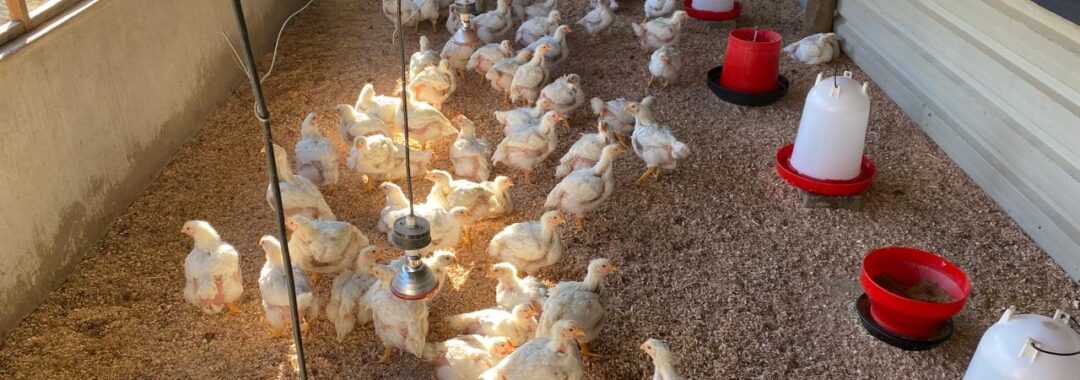
At Agri Skills Transfer, we prioritise hands-on learning. Our training programmes immerse participants in practical experiences on our farms. Here, they learn firsthand—from chick care to production oversight—gaining invaluable skills ready for immediate application in their own operations.

Nurturing the Next Generation

Central to our mission is cultivating the next generation of chicken farmers. We blend traditional farming wisdom with modern best practices through our programmes and ongoing support. This approach guides farmers toward sustainable and profitable chicken farming enterprises.

Sustainability at the Core

Sustainability is foundational at Agri Skills Transfer. We emphasise responsible farming practices that minimise environmental impact and prioritise livestock welfare. Our training promotes resource-efficient methods, empowering farmers to build resilient and eco-friendly enterprises.

The Road Ahead

Looking forward, the prospects in chicken farming are limitless. With a growing population and escalating demand for protein-rich foods, skilled chicken farmers are in high demand. Agri Skills Transfer remains steadfast in empowering farmers, fostering innovation, and driving positive change within the industry.

Conclusion

In South Africa’s vast agricultural landscape, chicken farming represents not just an opportunity but a pathway to a sustainable future. Agri Skills Transfer, through practical training, mentorship, and a commitment to sustainability, is unlocking the full potential of this dynamic industry. Together, we’re nurturing the next generation of chicken farmers and paving the way for a brighter future for our nation.