Basic Farming Skills Taught Well: The Foundation of Success at Agri Skills Transfer

At Agri Skills Transfer, we believe that every successful farmer starts with a solid foundation of basic farming skills. In an ever-evolving agricultural world, technology, climate-smart farming, and sustainable practices have become essential components of modern farming. However, before we delve into these advanced areas, it’s crucial to establish a firm grasp on the core principles of food production. This is why we prioritise teaching the fundamentals of mixed farming—because without a strong base, nothing else can stand tall.


Why Basic Farming Skills Matter

The foundation of successful farming is built upon understanding the essential skills that ensure healthy soil, efficient crop management, and sustainable livestock practices. At Agri Skills Transfer, we focus on providing hands-on training in basic farming techniques that are applicable across a wide range of farming systems. Whether you’re a beginner or an experienced farmer looking to sharpen your skills, mastering these core principles will give you the confidence and knowledge needed to navigate the complexities of modern agriculture.


We teach practical, day-to-day farming practices such as:

Soil Health and Management: Understanding the importance of soil structure, fertility, and how to manage it sustainably is a key starting point. Healthy soil is the foundation for healthy crops, and mastering soil management is crucial for long-term farming success.


Crop Production: From planting to harvesting, knowing how to manage different crops, choose appropriate planting times, and apply proper irrigation techniques ensures good yields. This basic knowledge sets the stage for more advanced techniques in precision agriculture and climate-smart practices.


Animal Husbandry: Raising livestock requires more than just feeding and care. Proper animal management, breeding, and disease prevention are essential aspects of farming that ensure the health and productivity of your animals.


Farm Equipment Operation: Knowing how to properly use and maintain farming tools and machinery is essential for optimising productivity and reducing labour costs.


Water Management: Water is one of the most precious resources on a farm. Learning efficient irrigation techniques and how to conserve water resources is vital for sustainable farming practices.


The Importance of Core Principles in Modern Agriculture

While technological innovations and climate-smart farming methods are vital for the future of agriculture, they cannot function effectively without a deep understanding of the basics. For instance, climate-smart farming techniques, which focus on reducing the carbon footprint and adapting to changing weather patterns, depend on a well-managed farm that has a strong foundation in soil management and water conservation. Similarly, sustainable farming practices that seek to preserve the environment rely on knowledge of how to balance crop and livestock production in harmony with nature.


At Agri Skills Transfer, we emphasise that the best way to approach advanced techniques in agriculture is with a well-rounded knowledge of the fundamentals. This ensures that farmers are not only equipped to use technology effectively but also understand the why and how behind the methods they are using.


Preparing Farmers for the Future

At Agri Skills Transfer, our mission is to prepare the next generation of farmers by giving them a comprehensive understanding of basic farming skills. Whether our students are focusing on mixed farming, crop production, livestock management, or more, we believe that this foundational training provides the stepping stone they need to succeed in the agriculture industry. Our approach equips students with the knowledge to adapt to technological advances, embrace climate-smart solutions, and implement sustainable practices in their everyday farming operations.


By teaching basic farming skills well, we are setting up farmers to thrive in a rapidly changing world. The agricultural landscape is evolving, and as we move forward, we need farmers who not only understand how to use new technologies but also have a solid foundation in the fundamental principles that make food production possible.


If you are ready to build a strong foundation for your farming future, Agri Skills Transfer is here to help you take that first step. Join us today and start your journey toward becoming a skilled, confident, and sustainable farmer.

For more information: http://agriskills.net

Building Resilience: How Agri Skills Transfer Helps Farmers Adapt to Climate Change

Climate change is one of the biggest challenges faced by the global agricultural sector today. Rising temperatures, unpredictable weather patterns, and increased frequency of extreme events like droughts and floods are threatening food security and the livelihoods of farmers. As the climate crisis intensifies, the need for climate-smart farming practices becomes increasingly urgent. Agri Skills Transfer plays a vital role in helping farmers adapt to these changes, equipping them with the knowledge and tools needed to build resilience against climate-related challenges.


Adapting to the Climate Crisis through Training

Agri Skills Transfer programmes are designed to educate farmers on sustainable and efficient farming practices that can help them mitigate the impacts of climate change. These training programmes teach farmers innovative techniques that improve soil health, water management, and crop diversification, all of which are crucial in adapting to a changing climate.

One of the primary strategies that Agri Skills Transfer focuses on is water conservation. Water scarcity is a pressing issue for many farmers, especially in regions affected by prolonged droughts. Through Agri Skills Transfer, farmers learn how to implement rainwater harvesting systems, use drip irrigation, and adopt water-efficient crop varieties. These techniques enable farmers to maximise water use and reduce waste, ensuring they can sustain their crops even during dry spells.

Additionally, the programmes emphasise soil management practices that enhance soil fertility and prevent erosion. Techniques such as conservation tillage, agroforestry, and cover cropping are taught to help farmers build healthy soils that can withstand harsh weather conditions and retain moisture. Healthy soils also improve crop yields, providing farmers with a more stable income despite the uncertainty of climate conditions.

Agri Skills Transfer also encourages crop diversification as a way to reduce vulnerability to climate-related risks. Farmers are trained to grow a variety of crops that are better suited to changing environmental conditions, which can help mitigate the impact of extreme weather events such as floods or droughts. By diversifying their crops, farmers not only protect their income but also contribute to maintaining biodiversity, which is essential for ecosystem stability.


The Importance of Climate-Smart Farming

Climate-smart farming is an approach that integrates the principles of sustainability and resilience into agricultural practices. Agri Skills Transfer programs equip farmers with the knowledge to adopt climate-smart farming methods that not only help them adapt to climate change but also contribute to mitigating its effects. These methods include reducing greenhouse gas emissions, enhancing carbon sequestration, and using resources more efficiently.

For example, farmers are trained to use integrated pest management (IPM) techniques that minimise the need for chemical pesticides, reducing their environmental footprint. They are also introduced to the concept of precision farming, which uses data and technology to optimise inputs like fertilisers and water, ensuring that resources are used efficiently, and waste is minimised.

In addition to these practical techniques, Agri Skills Transfer programmes foster a mindset of long-term sustainability among farmers. By emphasising the importance of natural resource conservation, these programmes help farmers understand how their actions can have lasting impacts on the environment. With this knowledge, farmers are more likely to adopt practices that contribute to the health of the land and future generations.


Careers in Agriculture for the Future: Climate-Smart Farming

As the agricultural sector evolves with advancements in technology and the growing need for sustainable practices, there are several exciting career opportunities for Diploma students in agriculture. Here are four careers that hold great potential for the future:


Precision Agriculture Technician

With the rise of technology in farming, Precision Agriculture Technicians play a vital role in helping farmers use data-driven tools to increase crop yields and reduce waste. These professionals work with GPS, drones, sensors, and other digital tools to collect data on soil conditions, crop health, and weather patterns. They assist farmers in making informed decisions about irrigation, fertilisation, and pest control, ultimately improving farm efficiency and productivity.


Livestock Manager

As the demand for animal products grows, skilled livestock managers will be crucial for the care and management of animals. This career involves overseeing the health, breeding, and production of livestock such as cattle, sheep, and poultry. Livestock managers also focus on improving breeding programs, ensuring animal welfare, and implementing sustainable farming practices to meet the increasing demand for ethically produced animal products.


Agri-business Manager

Agri-business managers are responsible for managing the business side of agricultural operations. They help run farms, cooperatives, and agricultural companies, overseeing financial planning, marketing, human resources, and logistics. With their business expertise, agri-business managers play a critical role in ensuring the economic success of agricultural ventures. As the agricultural industry becomes more complex, these professionals will be key to maintaining profitability while embracing sustainable practices.


Soil and Water Conservationist

Soil and Water Conservationists focus on protecting and managing the land’s natural resources. Their work involves developing and implementing strategies for soil preservation, water management, and erosion control. These experts ensure that farming practices don’t harm the environment and help farmers adopt sustainable methods that improve the health of the soil and water systems on their farms. With climate change impacting farming, this role is becoming increasingly important for ensuring long-term productivity.


These careers offer exciting opportunities for Diploma students who are passionate about agriculture and committed to making a difference in the future of food production and sustainability.


Conclusion

Agri Skills Transfer is empowering farmers to face the challenges of climate change head-on. By providing farmers with the knowledge, skills, and tools needed to adapt to a changing climate, these programmes are ensuring that agriculture remains a viable and sustainable industry for future generations. As climate-smart farming becomes more critical, the demand for professionals in fields such as agronomy, sustainable engineering, meteorology, and agroecology will continue to grow. By investing in climate resilience today, we are not only helping farmers adapt but also securing the future of global food production.

www.agriskills.net

0124609585

laurika@agriskills.net

Why is Agriculture a Great Career, even in 2025?

Why is Agriculture a Great Career, even in 2025?

Agriculture remains one of the most essential and dynamic industries worldwide, offering abundant career opportunities. In 2025 and beyond, with the global population projected to surpass 8 billion, the demand for sustainable food production, innovative farming practices, and agricultural technologies is at an all-time high. In South Africa alone, the agricultural sector contributes over R130 billion annually to the economy, supporting livelihoods and driving rural development. Careers in agriculture extend far beyond traditional farming, encompassing roles in agribusiness, crop science, animal husbandry, agricultural engineering, and sustainability consulting. Whether you’re passionate about hands-on work or innovative solutions, agriculture is a field where you can make a meaningful impact on the world.

Agriculture is more than just farming—it’s the backbone of the global economy. It provides food, resources, and innovative solutions to sustain and grow our world. For those passionate about making a difference, solving real-world challenges, and contributing to sustainable food production, agriculture offers endless opportunities.

Why Choose a Career in Agriculture?

Agriculture is a dynamic and essential industry that touches every aspect of our lives. From producing the food, we eat to developing sustainable farming practices that protect the environment, agriculture is at the forefront of shaping the future.

Whether you’re interested in cultivating crops, managing livestock, or exploring innovative technologies in farming, agriculture offers a rewarding career path filled with growth and purpose.

Why Agri Skills Transfer is Your Gateway to Success

At Agri Skills Transfer, we believe in empowering the next generation of agricultural professionals through a combination of theoretical knowledge and practical experience. Here’s what sets us apart:

  1. Accredited National Diploma Courses

We offer National Diplomas in Animal and Plant Production (NQF 5). These industry-recognised qualifications prepare you to excel in various agricultural careers.

  1. Practical Learning

Gain hands-on experience with over 2400 hours of practical training, including placements at farms and agricultural organisations. This real-world exposure ensures you are job-ready from day one.

  1. Flexible Study Options

Whether you prefer online, distance learning, or face-to-face classes, we’ve got you covered. Our Groenkloof City Campus in Pretoria and our Cullinan Farm Campus offer the flexibility to fit your lifestyle and learning preferences. Our Distance Learning Campus provides learning opportunities for farmers already working on a farm who wish to enhance their practical knowledge with a formal qualification.

  1. Strong Industry Connections

With over 21 years of experience, Agri Skills Transfer has established robust partnerships with leading organisations in the agricultural sector, providing our students with unparalleled opportunities to excel in their careers. These connections give our graduates a competitive edge when entering the workforce, ensuring they are equipped with both knowledge and industry-relevant skills.

Our esteemed industry partners include Laeveld Agrochem, a shareholder in Agri Skills Transfer, as well as Absa, AGDA, Agri SA, ALZU, PICRSA, Food for Mzansi, Agri ENT, APAC, CropLife, CASE, Karsten Boerdery, TLUSA, and many more. These partnerships open doors for our students, offering insights into industry trends, potential career pathways, and practical opportunities to thrive in the agricultural sector.

By studying with us, students not only gain a world-class education but also benefit from our extensive network of industry leaders committed to advancing the future of agriculture.

A Career That Makes an Impact

By choosing agriculture, you’re not just building a career; you’re contributing to the future of food security, environmental sustainability, and rural development. Whether you’re managing a farm, innovating new agricultural technologies, or leading sustainability projects, the opportunities are vast and impactful.

Take the First Step Towards Your Future

If you’re ready to transform your passion for agriculture into a fulfilling and successful career, Agri Skills Transfer is here to guide you every step of the way.

📞 Call us today: 012 460 9585

📧 Email: admin@agriskills.net

🌐 Visit: www.agriskills.net

Exploring South Africa's Rich Sheep Farming Heritage

Exploring South Africa’s Rich Sheep Farming Heritage

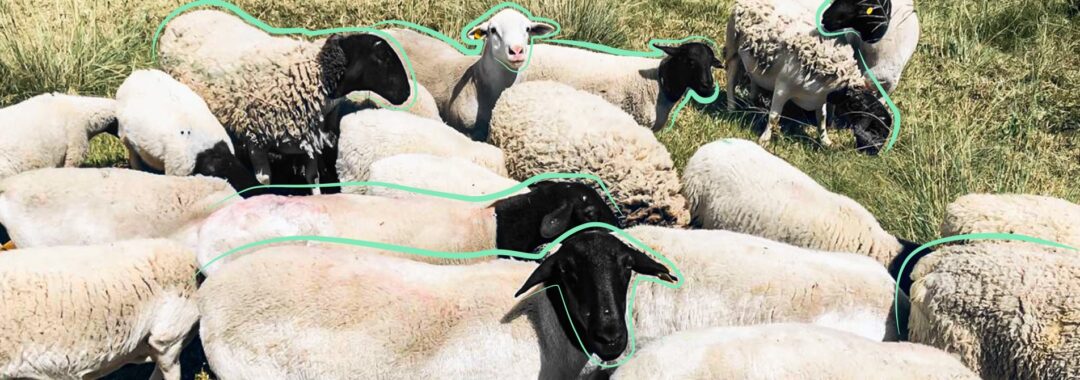
South Africa boasts a rich agricultural tapestry, where sheep farming stands out as a cornerstone of its heritage and economy. From the hardy indigenous breeds like Damara and Namaqua Afrikaner to internationally renowned breeds such as Merino and Dorper, sheep farming in this diverse nation paints a vibrant picture of history, culture, and agricultural innovation.

Diverse Sheep Breeds

South Africa is home to some of the oldest and most diverse sheep breeds in the world. The indigenous Damara sheep, known for their resilience in arid conditions, have been a part of Southern Africa’s landscape for centuries. Similarly, the Namaqua Afrikaner sheep, adapted to the harsh environments of the Namaqualand region, showcase the country’s ability to cultivate breeds suited to local conditions.

In addition to these indigenous breeds, South Africa has embraced and developed popular commercial breeds like the Merino and Dorper. The Merino sheep, prized for their high-quality wool, have a long history in South Africa dating back to the late 18th century. Today, South Africa hosts the world’s largest Merino sheep stud, underscoring its significance in global wool production.

The Dorper breed, a cross between Dorset Horn and Persian sheep, was developed in South Africa during the 1930s to create a hardy breed suitable for the country’s diverse climate and landscape. Dorpers are valued for their meat quality and adaptability, making them a staple in the South African sheep farming industry.

Cultural and Historical Significance

Sheep farming in South Africa is not just about agriculture; it is deeply intertwined with the nation’s history and culture. The introduction of Merino sheep by European settlers played a pivotal role in shaping the country’s economy during the colonial era. The wool industry became a cornerstone of economic development, with sheep farming contributing significantly to rural livelihoods and national prosperity.

Modern Applications and Conservation Efforts

Today, sheep farming in South Africa continues to evolve with modern practices and technological advancements. Beyond wool and meat production, sheep farming plays a crucial role in conservation efforts. Indigenous breeds like the Damara and Namaqua Afrikaner are valued for their genetic diversity and adaptation to local environments, contributing to biodiversity conservation efforts across the country.

Agri Skills Transfer Short Course in Sheep Production

For those looking to embark on a journey into sheep farming, Agri Skills Transfer offers a comprehensive short course in Sheep Production. This course equips participants with essential skills and knowledge to start and manage their own sheep farming enterprises. From breeding and nutrition to disease management and market strategies, participants learn practical skills that are essential for success in the industry.

Whether your interest lies in wool production, meat farming, or conservation efforts, sheep farming in South Africa presents a multitude of opportunities. The rich heritage of diverse sheep breeds, combined with modern farming practices and education opportunities like those offered by Agri Skills Transfer, ensures that sheep farming remains a thriving and integral part of the country’s agricultural landscape.

Conclusion

In conclusion, South Africa’s sheep farming industry is a testament to its agricultural diversity, cultural heritage, and economic resilience. From ancient indigenous breeds to globally recognised commercial varieties, sheep farming in South Africa continues to thrive, offering both tradition and innovation in equal measure. Aspiring farmers and enthusiasts alike can explore the vast opportunities within this dynamic sector, supported by education and training programmes that uphold the legacy and future of sheep farming in the Rainbow Nation.

Unlocking Opportunities in Chicken Farming with Agri Skills Transfer

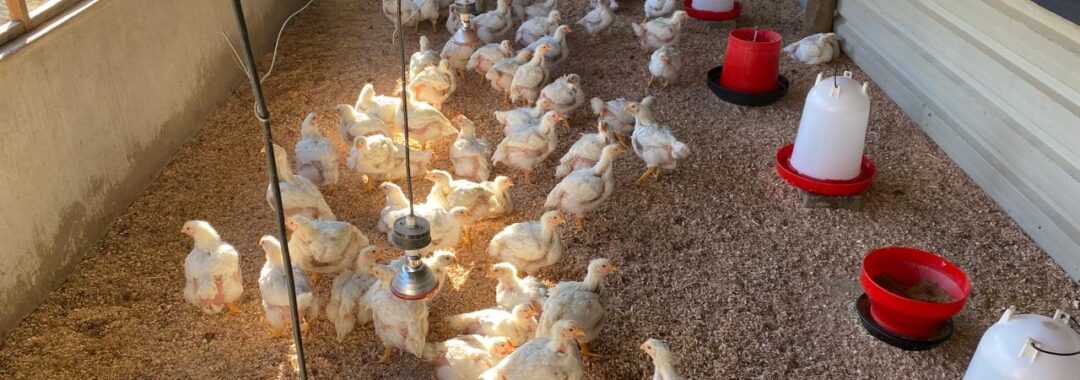
In the expansive agricultural vistas of South Africa, amidst fields that stretch to the horizon, one sector shines brightly as a beacon of opportunity: chicken farming. Across golden savannas and lush green landscapes, the humble chicken plays a pivotal role not only in feeding the nation but also in driving economic development. At the forefront of this transformative industry stands Agri Skills Transfer, dedicated to empowering farmers with the knowledge and skills essential to thrive in the dynamic world of chicken farming.

The Significance of Chicken Farming

Chicken farming holds a pivotal position in South Africa’s agricultural tapestry. Beyond producing poultry products, it significantly impacts food security, economic prosperity, and rural development. With accessible entry points and a robust demand for chicken meat and eggs, this sector presents a promising path for both seasoned farmers and newcomers. Beyond the farm gates, chicken farming generates employment, stimulates local economies, and provides affordable protein sources, crucially supporting economic growth and poverty alleviation. Moreover, as an efficient source of protein production, chicken farming bolsters food security across communities nationwide.

The Role of Agri Skills Transfer

Agri Skills Transfer leads the charge in empowering farmers to unlock the full potential of chicken farming. Through practical training, mentorship, and hands-on experience, we equip aspiring chicken farmers with the tools they need to succeed. Our comprehensive short course covers every facet of chicken farming, from breed selection and housing design to disease management and marketing strategies.

Practical Training for Real-World Success

At Agri Skills Transfer, we prioritise hands-on learning. Our training programmes immerse participants in practical experiences on our farms. Here, they learn firsthand—from chick care to production oversight—gaining invaluable skills ready for immediate application in their own operations.

Nurturing the Next Generation

Central to our mission is cultivating the next generation of chicken farmers. We blend traditional farming wisdom with modern best practices through our programmes and ongoing support. This approach guides farmers toward sustainable and profitable chicken farming enterprises.

Sustainability at the Core

Sustainability is foundational at Agri Skills Transfer. We emphasise responsible farming practices that minimise environmental impact and prioritise livestock welfare. Our training promotes resource-efficient methods, empowering farmers to build resilient and eco-friendly enterprises.

The Road Ahead

Looking forward, the prospects in chicken farming are limitless. With a growing population and escalating demand for protein-rich foods, skilled chicken farmers are in high demand. Agri Skills Transfer remains steadfast in empowering farmers, fostering innovation, and driving positive change within the industry.

Conclusion

In South Africa’s vast agricultural landscape, chicken farming represents not just an opportunity but a pathway to a sustainable future. Agri Skills Transfer, through practical training, mentorship, and a commitment to sustainability, is unlocking the full potential of this dynamic industry. Together, we’re nurturing the next generation of chicken farmers and paving the way for a brighter future for our nation.

Agri Skills Transfer Agri SETA QCTO

Navigating the Changing Landscape of Skills Development: Transitioning from SETA to QCTO Qualifications

The world of skills development is evolving rapidly, and it’s essential for companies and learners alike to stay ahead of the curve. With the transition from Sector Education and Training Authorities (SETAs) to the Quality Council for Trades and Occupations (QCTO), significant changes are underway. These changes not only impact skills development plans and reporting but also have implications for BEE scorecards.

Established in 2010, the QCTO has taken on the responsibility of accrediting, implementing, and certifying all occupational qualifications previously overseen by SETAs. Unlike SETA qualifications, QCTO qualifications are standardised across all sectors, enhancing recognition and portability. Operating under the Occupational Qualifications Framework (OQF), the QCTO collaborates with industry stakeholders to ensure qualifications align with market needs.

Key differences between the QCTO and SETA systems include the setting of standards and the structure of learnership programmes. QCTO qualifications follow a standardised framework, while SETAs develop sector-specific qualifications. Learnerships under QCTO comprise three components: knowledge, practical training, and external assessment, differing from the SETA model.

The transition from SETA to QCTO qualifications is already underway, with qualifications gradually being transferred to QCTO oversight. All new occupational qualifications are now developed, and quality assured by the QCTO. However, it’s essential to note that the accreditation of SETA qualifications is set to expire on 30 June 2024.

This transition period includes a one-year grace period for enrolment and a three-year teach-out period. As of 1 July 2024, all qualifications under the SETA system will no longer be recognised, and learnership registrations will occur under the QCTO system.

At Agri Skills Transfer, we understand the importance of these changes and are committed to supporting our learners and prospective learners every step of the way. Our team is ready to provide guidance and assistance to ensure a smooth transition to QCTO qualifications. We are dedicated to safeguarding your skills development initiatives and mitigating any risks to your Skills Development and BEE scorecards.

It’s crucial for companies and learners to grasp the implications of these changes and take proactive steps to adapt to the evolving skills development landscape effectively. By understanding and embracing these changes, we can ensure alignment with industry standards and optimise the capabilities of our workforce for a brighter future in agriculture.