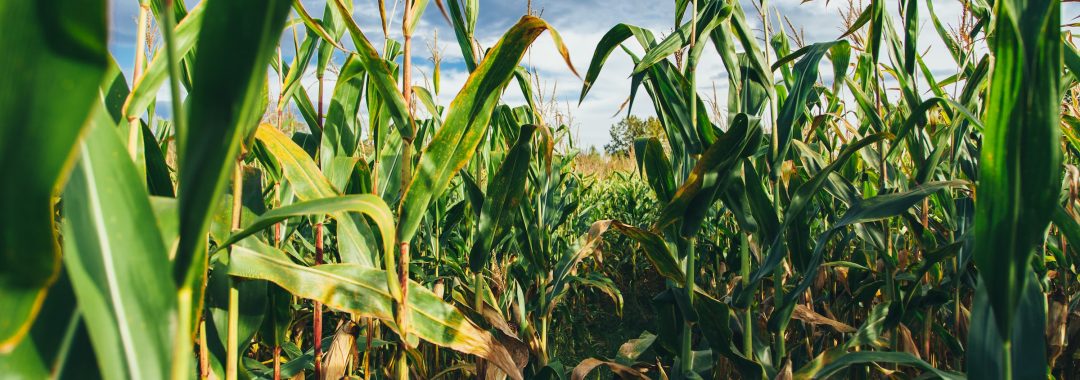
Basic Farming Skills Taught Well: The Foundation of Success at Agri Skills Transfer

At Agri Skills Transfer, we believe that every successful farmer starts with a solid foundation of basic farming skills. In an ever-evolving agricultural world, technology, climate-smart farming, and sustainable practices have become essential components of modern farming. However, before we delve into these advanced areas, it’s crucial to establish a firm grasp on the core principles of food production. This is why we prioritise teaching the fundamentals of mixed farming—because without a strong base, nothing else can stand tall.


Why Basic Farming Skills Matter

The foundation of successful farming is built upon understanding the essential skills that ensure healthy soil, efficient crop management, and sustainable livestock practices. At Agri Skills Transfer, we focus on providing hands-on training in basic farming techniques that are applicable across a wide range of farming systems. Whether you’re a beginner or an experienced farmer looking to sharpen your skills, mastering these core principles will give you the confidence and knowledge needed to navigate the complexities of modern agriculture.


We teach practical, day-to-day farming practices such as:

Soil Health and Management: Understanding the importance of soil structure, fertility, and how to manage it sustainably is a key starting point. Healthy soil is the foundation for healthy crops, and mastering soil management is crucial for long-term farming success.


Crop Production: From planting to harvesting, knowing how to manage different crops, choose appropriate planting times, and apply proper irrigation techniques ensures good yields. This basic knowledge sets the stage for more advanced techniques in precision agriculture and climate-smart practices.


Animal Husbandry: Raising livestock requires more than just feeding and care. Proper animal management, breeding, and disease prevention are essential aspects of farming that ensure the health and productivity of your animals.


Farm Equipment Operation: Knowing how to properly use and maintain farming tools and machinery is essential for optimising productivity and reducing labour costs.


Water Management: Water is one of the most precious resources on a farm. Learning efficient irrigation techniques and how to conserve water resources is vital for sustainable farming practices.


The Importance of Core Principles in Modern Agriculture

While technological innovations and climate-smart farming methods are vital for the future of agriculture, they cannot function effectively without a deep understanding of the basics. For instance, climate-smart farming techniques, which focus on reducing the carbon footprint and adapting to changing weather patterns, depend on a well-managed farm that has a strong foundation in soil management and water conservation. Similarly, sustainable farming practices that seek to preserve the environment rely on knowledge of how to balance crop and livestock production in harmony with nature.


At Agri Skills Transfer, we emphasise that the best way to approach advanced techniques in agriculture is with a well-rounded knowledge of the fundamentals. This ensures that farmers are not only equipped to use technology effectively but also understand the why and how behind the methods they are using.


Preparing Farmers for the Future

At Agri Skills Transfer, our mission is to prepare the next generation of farmers by giving them a comprehensive understanding of basic farming skills. Whether our students are focusing on mixed farming, crop production, livestock management, or more, we believe that this foundational training provides the stepping stone they need to succeed in the agriculture industry. Our approach equips students with the knowledge to adapt to technological advances, embrace climate-smart solutions, and implement sustainable practices in their everyday farming operations.


By teaching basic farming skills well, we are setting up farmers to thrive in a rapidly changing world. The agricultural landscape is evolving, and as we move forward, we need farmers who not only understand how to use new technologies but also have a solid foundation in the fundamental principles that make food production possible.


If you are ready to build a strong foundation for your farming future, Agri Skills Transfer is here to help you take that first step. Join us today and start your journey toward becoming a skilled, confident, and sustainable farmer.

For more information: http://agriskills.net

Building Resilience: How Agri Skills Transfer Helps Farmers Adapt to Climate Change

Climate change is one of the biggest challenges faced by the global agricultural sector today. Rising temperatures, unpredictable weather patterns, and increased frequency of extreme events like droughts and floods are threatening food security and the livelihoods of farmers. As the climate crisis intensifies, the need for climate-smart farming practices becomes increasingly urgent. Agri Skills Transfer plays a vital role in helping farmers adapt to these changes, equipping them with the knowledge and tools needed to build resilience against climate-related challenges.


Adapting to the Climate Crisis through Training

Agri Skills Transfer programmes are designed to educate farmers on sustainable and efficient farming practices that can help them mitigate the impacts of climate change. These training programmes teach farmers innovative techniques that improve soil health, water management, and crop diversification, all of which are crucial in adapting to a changing climate.

One of the primary strategies that Agri Skills Transfer focuses on is water conservation. Water scarcity is a pressing issue for many farmers, especially in regions affected by prolonged droughts. Through Agri Skills Transfer, farmers learn how to implement rainwater harvesting systems, use drip irrigation, and adopt water-efficient crop varieties. These techniques enable farmers to maximise water use and reduce waste, ensuring they can sustain their crops even during dry spells.

Additionally, the programmes emphasise soil management practices that enhance soil fertility and prevent erosion. Techniques such as conservation tillage, agroforestry, and cover cropping are taught to help farmers build healthy soils that can withstand harsh weather conditions and retain moisture. Healthy soils also improve crop yields, providing farmers with a more stable income despite the uncertainty of climate conditions.

Agri Skills Transfer also encourages crop diversification as a way to reduce vulnerability to climate-related risks. Farmers are trained to grow a variety of crops that are better suited to changing environmental conditions, which can help mitigate the impact of extreme weather events such as floods or droughts. By diversifying their crops, farmers not only protect their income but also contribute to maintaining biodiversity, which is essential for ecosystem stability.


The Importance of Climate-Smart Farming

Climate-smart farming is an approach that integrates the principles of sustainability and resilience into agricultural practices. Agri Skills Transfer programs equip farmers with the knowledge to adopt climate-smart farming methods that not only help them adapt to climate change but also contribute to mitigating its effects. These methods include reducing greenhouse gas emissions, enhancing carbon sequestration, and using resources more efficiently.

For example, farmers are trained to use integrated pest management (IPM) techniques that minimise the need for chemical pesticides, reducing their environmental footprint. They are also introduced to the concept of precision farming, which uses data and technology to optimise inputs like fertilisers and water, ensuring that resources are used efficiently, and waste is minimised.

In addition to these practical techniques, Agri Skills Transfer programmes foster a mindset of long-term sustainability among farmers. By emphasising the importance of natural resource conservation, these programmes help farmers understand how their actions can have lasting impacts on the environment. With this knowledge, farmers are more likely to adopt practices that contribute to the health of the land and future generations.


Careers in Agriculture for the Future: Climate-Smart Farming

As the agricultural sector evolves with advancements in technology and the growing need for sustainable practices, there are several exciting career opportunities for Diploma students in agriculture. Here are four careers that hold great potential for the future:


Precision Agriculture Technician

With the rise of technology in farming, Precision Agriculture Technicians play a vital role in helping farmers use data-driven tools to increase crop yields and reduce waste. These professionals work with GPS, drones, sensors, and other digital tools to collect data on soil conditions, crop health, and weather patterns. They assist farmers in making informed decisions about irrigation, fertilisation, and pest control, ultimately improving farm efficiency and productivity.


Livestock Manager

As the demand for animal products grows, skilled livestock managers will be crucial for the care and management of animals. This career involves overseeing the health, breeding, and production of livestock such as cattle, sheep, and poultry. Livestock managers also focus on improving breeding programs, ensuring animal welfare, and implementing sustainable farming practices to meet the increasing demand for ethically produced animal products.


Agri-business Manager

Agri-business managers are responsible for managing the business side of agricultural operations. They help run farms, cooperatives, and agricultural companies, overseeing financial planning, marketing, human resources, and logistics. With their business expertise, agri-business managers play a critical role in ensuring the economic success of agricultural ventures. As the agricultural industry becomes more complex, these professionals will be key to maintaining profitability while embracing sustainable practices.


Soil and Water Conservationist

Soil and Water Conservationists focus on protecting and managing the land’s natural resources. Their work involves developing and implementing strategies for soil preservation, water management, and erosion control. These experts ensure that farming practices don’t harm the environment and help farmers adopt sustainable methods that improve the health of the soil and water systems on their farms. With climate change impacting farming, this role is becoming increasingly important for ensuring long-term productivity.


These careers offer exciting opportunities for Diploma students who are passionate about agriculture and committed to making a difference in the future of food production and sustainability.


Conclusion

Agri Skills Transfer is empowering farmers to face the challenges of climate change head-on. By providing farmers with the knowledge, skills, and tools needed to adapt to a changing climate, these programmes are ensuring that agriculture remains a viable and sustainable industry for future generations. As climate-smart farming becomes more critical, the demand for professionals in fields such as agronomy, sustainable engineering, meteorology, and agroecology will continue to grow. By investing in climate resilience today, we are not only helping farmers adapt but also securing the future of global food production.

www.agriskills.net

0124609585

laurika@agriskills.net

The Future of Agriculture: How Agri Skills Transfer is Paving the Way for Sustainable Farming

Agriculture is at the heart of feeding the world’s growing population, but it also faces unprecedented challenges. Climate change, resource depletion, and evolving consumer demands have accelerated the need for sustainable farming practices. In this quest for a greener and more resilient agricultural future, Agri Skills Transfer is playing a pivotal role.

Sustainability in Modern Agriculture

Sustainability in agriculture means finding the delicate balance between meeting today’s food needs while preserving the environment and resources for future generations. It’s a commitment to eco-friendly farming practices that reduce waste, conserve water, minimise chemical inputs, and promote biodiversity.

Agri Skills Transfer: Shaping the Future of Agriculture

Agri Skills Transfer is a trailblaser in the realm of sustainable farming. We believe that the foundation of a sustainable agricultural future lies in providing the knowledge and skills required to implement eco-friendly practices. Here’s how we’re making a difference:

  1. Practical Training: Our institution prioritises practical, hands-on training. We believe that the best way to learn sustainable farming is by doing it. This approach empowers learners to implement green practices effectively.
  2. Eco-Focused Curriculum: Agri Skills Transfer’s curriculum places a strong emphasis on sustainable and climate-smart farming. We equip our students with the latest techniques and strategies to adapt to a changing climate and reduce their environmental impact.
  3. Accessible Education: We’re committed to ensuring that quality agricultural education is accessible to all. Our online learning platform and various training options make it easier for farmers, from novice to experienced, to acquire the skills they need.
  4. Community Engagement: Our institution actively engages with communities, sharing knowledge, building trust, and fostering collaboration. By working closely with local farmers, we create a network of sustainability advocates.
  5. Global Impact: Africa’s agricultural challenges have global implications. By promoting sustainable farming practices, Agri Skills Transfer contributes to global efforts to secure food supplies and address climate change.

“As we look to the future, it’s clear that sustainable farming is not an option; it’s a necessity. Agri Skills Transfer is at the forefront of this movement, preparing farmers to be stewards of the land, champions of biodiversity, and pioneers of climate resilience. Together, we’re paving the way for a more sustainable and prosperous agricultural future” says Shaun Welmans the Chief Operational Officer (COO) of Agri Skills Transfer.